

Recognizing and Relieving Chronic Pain in Senior Cats
You notice your sweet, older cat hesitates before jumping onto the couch, or maybe they just aren’t as interested in playing as they used to be. It can be hard to know if they’re just slowing down due to age or if something more is going on. Because cats are masters at masking their discomfort, signs of chronic pain, like arthritis or nerve issues, often go overlooked. Learning to spot subtle changes- like a drop in grooming or a little irritability- is key to early identification and management, ensuring your senior cat stays active and happy in their golden years.
At Parker Center Animal Clinic, our feline care team is dedicated to helping cats age comfortably through comprehensive senior wellness exams, gentle handling, and customized arthritis and pain management plans. We understand how subtle pain can be, so we take the time to listen to your concerns, assess mobility, and recommend individualized treatments that bring relief.
If you’ve noticed changes in your cat’s behavior or movement, book an appointment online for a thorough evaluation.
Understanding Chronic Pain in Senior Cats
Common Causes of Pain
Chronic pain in senior cats often stems from underlying medical conditions that gradually affect their comfort and mobility. The most frequent conditions that cause pain in pets include arthritis, dental disease, and degenerative joint changes. Other causes- such as muscle strain, nerve pain, and long-term effects from past injuries- can also lead to persistent discomfort.
Cats are also prone to painful conditions like spondylosis (spinal arthritis) and dental resorptive lesions, both of which can worsen slowly over time. Even chronic illnesses such as kidney disease or hyperthyroidism can amplify discomfort, making early detection essential.
Because cats instinctively hide weakness, these issues can progress before owners notice clear signs. During senior exams, our veterinarians use advanced diagnostics and imaging to assess joint health, evaluate dental pain, and check for internal causes of discomfort. We encourage owners to share any history of stiffness, limping, or decreased activity to help us create a care plan that addresses every source of pain.
Recognizing Pain Symptoms
Behavioral Changes
Pain in cats doesn’t always look like limping or crying. It often appears as changes in behavior and habits. Common pet pain signs include reduced grooming, hiding, irritability, and decreased appetite. You might also notice your cat avoids stairs, hesitates to jump, or sleeps in lower spots than before.
Some cats become clingier or withdraw completely, while others develop litter box accidents because it hurts to climb in or squat. Even subtle posture changes- like a hunched back or tucked paws- can signal joint or nerve pain.
While some changes are expected with age, sudden or progressive differences in movement, social behavior, or litter box habits should never be ignored. Our Cat-Friendly staff makes exams stress-free for even the most nervous seniors, allowing for accurate assessment without fear or anxiety.
Facial Expressions and the Feline Grimace Scale
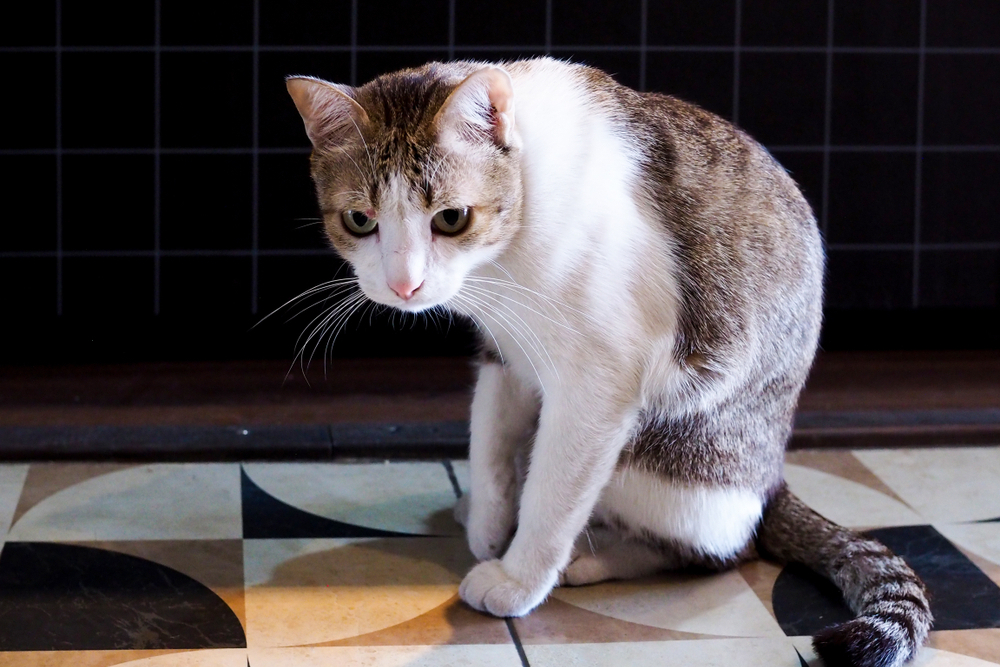
Cats are experts at masking discomfort, but their faces often reveal what their bodies try to hide. Subtle shifts in ear position, eye shape, whisker tension, and overall facial expression can indicate discomfort long before mobility changes appear. The Feline Grimace Scale is a validated tool that helps identify pain by evaluating these facial features in a structured, reliable way.
Owners may notice narrowed eyes, ears held outward or flattened, whiskers pulled forward, or a more tense, furrowed muzzle. These signs can come and go, so observing your cat at rest and during everyday activities is helpful. Using the scale at home gives you a clearer sense of when discomfort is present- and when your cat may need medical attention.
If you spot these facial cues regularly or see them worsening, it’s important to let us know. Combining grimace-scale observations with behavioural changes helps us build a more complete understanding of your cat’s comfort and tailor a pain management plan that truly supports their quality of life. If you’re unsure whether what you’re seeing is age-related or pain-related, jot down notes or short videos to share during your cat’s next visit. You can always contact us for guidance.
Pain Management Options
Medication
Managing chronic pain in cats requires precision and professional oversight. Our veterinarians create safe, effective treatment plans using drugs used to relieve pain that are appropriate for feline physiology. Never give human medications to cats- many are toxic, even in small amounts.
For chronic conditions like arthritis, monthly injections such as Solensia target nerve growth factors to reduce pain at the source and restore mobility. These treatments are safe for long-term use and can be combined with joint supplements or anti-inflammatory medications for maximum benefit.
Some cats also benefit from omega-3 supplements or specialized prescription diets that reduce inflammation. At Parker Center Animal Clinic, we tailor medication regimens carefully, with follow-up lab work to ensure safety and adjust doses as needed. Our pain management services emphasize ongoing monitoring so your cat feels their best every day.
Non-Pharmacological Treatments
Medication isn’t the only way to manage pain. Integrative therapies can dramatically improve comfort while minimizing side effects. For some cats, acupuncture helps release endorphins and ease inflammation, while others benefit from laser therapy to stimulate healing and improve circulation in arthritic joints.
In addition, therapeutic massage and gentle stretching can help maintain flexibility, especially for cats with mild to moderate arthritis. Our veterinarians may also recommend weight management, gentle physical exercises, or environmental enrichment to keep muscles strong and joints flexible. These therapies are ideal for cats who may not tolerate medications or as complementary options to enhance results.
We also focus on mental health- reducing stress, adding enrichment, and maintaining a calm environment can all lower pain perception and improve overall well-being. Our senior wellness programs include weight management, traditional pain management, and laser therapy to provide whole-body wellness for your cat’s health.
Home Care and Lifestyle Adjustments
Mobility Aids and Home Modifications
Simple environmental adjustments can make a huge difference in your cat’s comfort. Providing mobility aids such as ramps or stable furniture helps cats reach their favorite spots safely. Consider home modifications like non-slip rugs, low-sided litter boxes, and raised food and water bowls to reduce joint strain.
Soft bedding placed in warm, draft-free areas provides relief for stiff joints, while gentle play keeps your cat engaged without overexertion. Puzzle feeders and slow, low-impact play with feather toys can encourage movement and mental stimulation.
Our team can help you design a personalized home comfort plan during your cat’s next senior wellness visit. If you’re making changes at home, feel free to bring photos or videos of your setup so we can offer tailored recommendations.
The Benefits of Regular Veterinary Check-Ups
Preventative Care
Routine wellness exams are vital to staying ahead of pain progression. Senior cats benefit from consistent monitoring of weight, muscle tone, and flexibility, along with dental and joint evaluations. Imaging and lab work provide early detection of conditions before they cause significant discomfort, and veterinary physical rehabilitation helps maintain strength and balance as cats age.
Our veterinarians develop long-term plans that evolve with your cat’s needs, adjusting pain medications, supplements, and activity levels over time. Through scheduled rechecks and wellness visits, we can ensure your cat continues to live comfortably and happily.
Proactive Pain Management for a Happier Life
Catching pain early gives senior cats the best chance at staying active and content. By combining medical treatments, non-drug therapies, and supportive home adjustments, we can relieve pain and restore the spark that makes your cat uniquely them.
At Parker Center Animal Clinic, we’re here to partner with you every step of the way. Our compassionate team takes the time to listen, evaluate, and fine-tune a care plan that fits your cat’s personality and health goals.
If you’ve noticed changes in your cat’s mobility, behavior, or mood, don’t wait- call us today at 303-841-8833 or book an appointment online. Together, we’ll help your feline friend enjoy a comfortable, active, and pain-free life.