
Food Refill
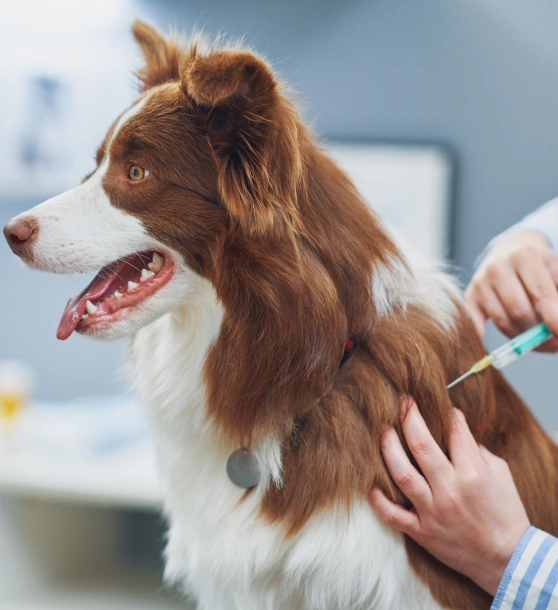
Reliable Core & Preventive Vaccines for Pets
We want your pet to grow up to be happy and healthy so that you get to share many, many years together. Vaccinations are a critical component of preventive care for any pet. Thanks to the development of vaccines, dogs and cats have been protected from numerous disease threats, including rabies, distemper, hepatitis, feline leukemia, and several others. Some of these diseases can be passed from our pets to people, so vaccinations have protected human health as well. Our recommendation is that all pets are different, and thus vaccine decisions should be made on an individual basis for each pet. Issues to consider include age, breed, health status, environment, and travel habits. Health threats vary from city to city and even in various sections of cities. We follow guidelines set forth by the American Animal Hospital Association for appropriately vaccinating dogs and cats.
Vaccines for Your Puppy / Dog
Based on your puppy’s history and discussion of the doctor’s recommendations, we typically do exams and vaccinations at 8, 12 , and 16 weeks of age. As your pet grows we will space out vaccinations appropriately to minimize the risk of over-vaccinating. A typical schedule for your puppy’s first 6 months of life will include:
- 8 weeks: Exam, DA2PP-C (Distemper, Adenovirus, Parvovirus, Parainfluenza, and Coronavirus), and Bordetella
- 12 weeks: Exam, DA2PP-L (same as above, Leptospirosis), and Bordetella
- 16 weeks: Exam, DA2PP-L, Rabies and Canine Influenza H3N2
- 20 weeks: Canine Influenza H3N2/H3N8
DA2PP aka “Distemper Combo” is a core vaccine that is a combination of the following:
- Distemper is a virus spread by bodily fluids causing a diverse range of symptoms including seizures and erratic behavior, vomiting and diarrhea, and coughing.
- Adenovirus Type 2 causes liver and kidney failure. It is spread by bodily fluids including nasal discharge and urine. Initially, the virus affects the tonsils and larynx causing a sore throat, coughing, and occasionally pneumonia.
- Parainfluenza typically causes mild respiratory tract infections and causes acute inflammation of the upper airways that can progress to fatal pneumonia. The disease is highly contagious and spreads quickly among dogs that are housed together. The virus is transmitted via contact with the nasal secretions of infected dogs.
- Parvovirus is a serious, deadly threat to the unvaccinated dog population. The majority of dogs diagnoses with parvovirus show signs of fever, lethargy, vomiting, bloody diarrhea, and lack of appetite. The virus is so strong that it literally causes the lining of the intestines to slough. It is painful to eat and, with the severe diarrhea and vomiting that is present, they rapidly become dehydrated.
Leptospirosis is a bacterial disease that can be found in many mammals including livestock and wildlife. This bacteria is passed through the urine of infected animals into water sources where they reside and reproduce. This disease is prevalent in any rural, suburban, and urbanized area wherever there is wildlife and stagnant water. This disease is zoonotic, meaning humans can contract is as well. Leptospirosis causes severe liver and kidney damage.
Bordetella vaccine is used to protect against the upper respiratory infection commonly known as “kennel cough”. Dogs usually present with a hacking cough and clear, foamy vomit. If not treated, it can progress to pneumonia.
Rabies is a core vaccine required by law by the state of Colorado for both cats and dogs. It is usually transmitted by infected wildlife. Although previously Rabies was not extremely prevalent in our area, there has been an outbreak resulting in a large population of wild animals and some domestic animals with the disease. At this time there is no cure, it is 100% fatal, and the only way to diagnose it conclusively is to send the brain out for sampling.
Vaccines for Your Kitten / Cat
Based on your kitten’s history and a discussion of the doctor’s recommendations, we will typically do exams and vaccinations at 8, 12, and 16 weeks of age. As your pet grows we will space out vaccinations appropriately to minimize the risk of over-vaccinating. A typical schedule for your kitten’s first 6 months of life will include:
- 8 weeks: Exam, FVRCP (Feline Viral Rhinotracheitis, Calicivirus, Panleukopenia)
- 12 weeks: Exam, FVRCP, FeLV (Feline Leukemia)
- 16 weeks: Exam, FVRCP, FeLV, Rabies
FVRCP aka “Feline Distemper Combo” is a core vaccine that includes the following:
- Feline Viral Rhinotracheitis is the cause of approximately 40-50% of feline upper respiratory infections. It is transmitted by coughing and sneezing. Symptoms include fever, sneezing, eye irritation/draining, and difficulty breathing.
- Calicivirus is an upper respiratory virus that produces flu-like symptoms including lack or appetite, sores the in the mouth, difficulty breathing, runny eyes and nose, fever and stiffness. It is spread through direct contact with saliva, eye or nasal discharge, or sometimes the feces of infected cats.
- Panluekopenia is an infectious disease caused by feline parvovirus. The greatest risk of infection comes from outdoor wild cats that were never vaccinated and then enter a shelter. The virus is shed and transmitted in all body fluids and feces. Symptoms include vomiting, fever, weight loss, lethargy, eye problems, and if not treated, sudden death.
Feline Leukemia virus is the leading viral killer in cats. It decreases immune efficiency and commonly causes anemia or lymphoma. It is spread from cat to cat through bodily fluids including milk from the mother. Outdoor cats are susceptible to the disease through bites from an infected cat. Symptoms include inappetence, fever, enlarged lymph nodes, pale and inflamed gums, many bacterial infections, seizures, and behavioral changes. A cat can live with leukemia for several years though there is no known treatment for the leukemia virus.
Rabies is a core vaccine required by law by the state of Colorado for both cats and dogs. It is usually transmitted by infected wildlife. Although previously Rabies was not extremely prevalent in our area, there has been an outbreak resulting in a large population of wild animals and some domestic animals with the disease. At this time there is no cure, it is 100% fatal, and the only way to diagnose it conclusively is to send the brain out for sampling.