
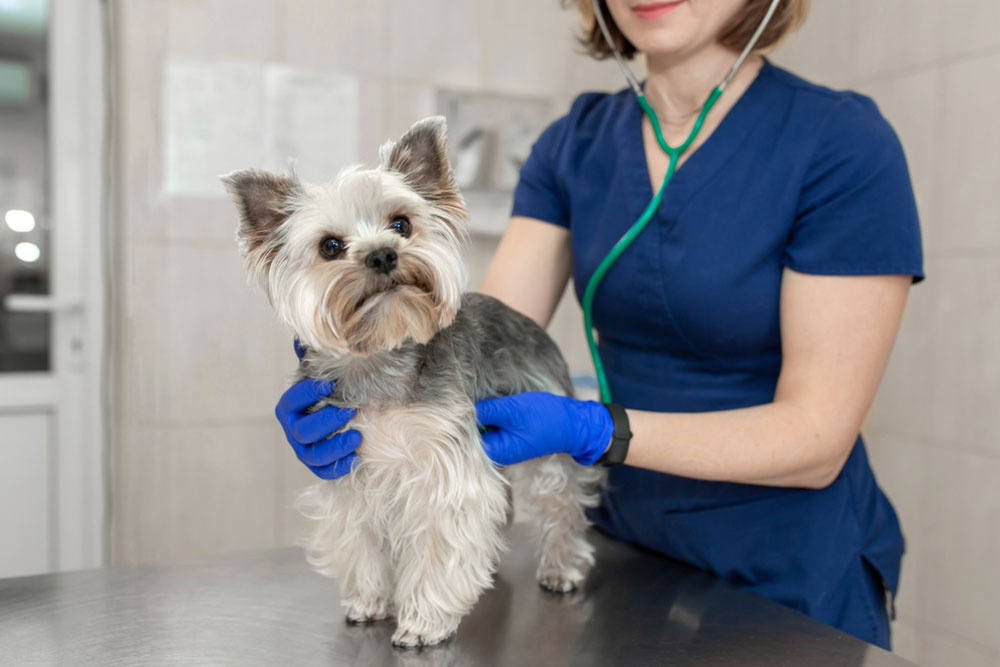
The Senior Pet Health Panel: Tests That Extend Quality and Quantity of Life
Senior wellness visits reveal truths that a physical exam alone can miss. Blood pressure may look normal at rest yet spike with stress. Thyroid shifts happen slowly and slip past day-to-day observation. Arthritis hides until imaging reveals the true wear and tear. Screening turns aging care from reacting to symptoms into preventing problems early.
Parker Center Animal Clinic in Colorado emphasizes early detection with our senior wellness programs. Our Senior Optimum Wellness Program for pets seven years and older bundles the diagnostics needed to screen for heart, kidney, liver, and urinary tract diseases into a comprehensive package. With our diagnostic and imaging capabilities, we use radiographs to evaluate arthritis, organ changes, and masses. Senior screening every six months catches trends that annual testing may miss. Our aim is more healthy years, not just more years. Book an appointment for a comprehensive senior screening or contact us to discuss age-appropriate tests.
Why Your Aging Pet Needs More Than Just Annual Checkups
You may notice your dog hesitating to jump or your cat sleeping more. Some changes are normal with age, but many health shifts happen quietly. Organs work harder, immune responses slow, and metabolism changes.
Following senior pet care recommendations means recognizing how quickly pets age. Serious conditions like kidney disease, heart disease, and diabetes often progress without obvious signs. Twice-yearly visits with targeted screening catch problems when they’re most treatable.
We build a health baseline, then watch for trends over time. A single “normal” value can still be a red flag if it’s a big change for your pet. Tracking patterns helps us act before a small shift becomes a crisis.
What Comprehensive Blood Work Reveals
Complete blood panels check major body systems at once. Understanding veterinary diagnostic tests helps you see why we recommend specific panels. A complete blood count looks at red cells (oxygen delivery), white cells (infection and inflammation), and platelets (clotting). A chemistry panel evaluates liver and kidney function, blood sugar, and proteins. Electrolyte panels assess minerals that affect nerves, muscles, and hydration.
Preventive testing spots issues early. High kidney values can prompt diet and medication changes that slow disease. Liver enzyme increases signal inflammation or other problems that need follow-up. Elevated blood sugar can indicate diabetes. Low protein may hint at intestinal or kidney concerns.
We compare results to your pet’s prior tests, not just the lab’s reference range. That personalized view helps us catch subtle declines. Results guide anesthesia safety, medication choices, nutrition, and how we monitor treatment over time. When findings suggest a specialist consultation may help, we’ll discuss referral options and coordinate care.
Thyroid Problems in Dogs vs. Cats
Dogs: Low Thyroid (Hypothyroidism)
Hypothyroidism slows metabolism. Dogs may gain weight, lose energy, seek warmth, and develop skin or ear issues. A blood test confirms it. Daily medication replaces missing hormones, and most dogs perk up within weeks. We recheck regularly to keep dosing on target.
Cats: High Thyroid (Hyperthyroidism)
Senior cats often have the opposite issue. Feline hyperthyroidism speeds everything up. Typical signs include weight loss despite a big appetite, restlessness, vomiting, and a racing heart. Blood tests confirm it. Options include daily medication, special iodine-restricted diets, or radioactive iodine therapy. We help you choose based on your cat’s health and your routine.
Untreated thyroid disease reduces quality of life and can affect the heart and kidneys. Routine screening lets us treat early and avoid complications. Once treatment begins, regular monitoring ensures we maintain the right balance.
Why Blood Pressure Monitoring Matters
High blood pressure damages organs silently. It strains the heart, injures kidney blood vessels, and can cause sudden blindness by affecting the retina. It also raises risks for neurologic issues.
Managing systemic hypertension starts with regular checks, since most pets show no signs. We use a small cuff on a leg or tail with Doppler ultrasound technology to detect blood flow. It’s quick, non-invasive, and comfortable.
Conditions that raise risk include chronic kidney disease, hyperthyroidism in cats, diabetes, and Cushing’s disease. Treatment often combines medication with diet changes and routine rechecks. Our senior wellness protocols include blood pressure screening because early control prevents serious complications.
What Urinalysis Tells Us
Urinalysis adds key details that blood work misses. We assess urine concentration (kidney function), pH (stone risk), protein (kidney or bladder inflammation), glucose (diabetes), and check for blood cells, bacteria, and crystals.
Chronic kidney disease is common in seniors and often advances quietly. Urinalysis can reveal problems earlier than blood tests by showing dilute urine or protein loss. Combined with blood work, it guides staging and care.
Early support matters. Prescription diets lighten the kidneys’ workload. Medications control blood pressure and reduce protein loss. Fluids and supplements can help. Many pets do well for years with early intervention. Urinalysis also helps detect infections, stones, and diabetes before obvious signs appear. Our diagnostic services include comprehensive urinalysis in senior panels.
Heart Health Screening for Seniors
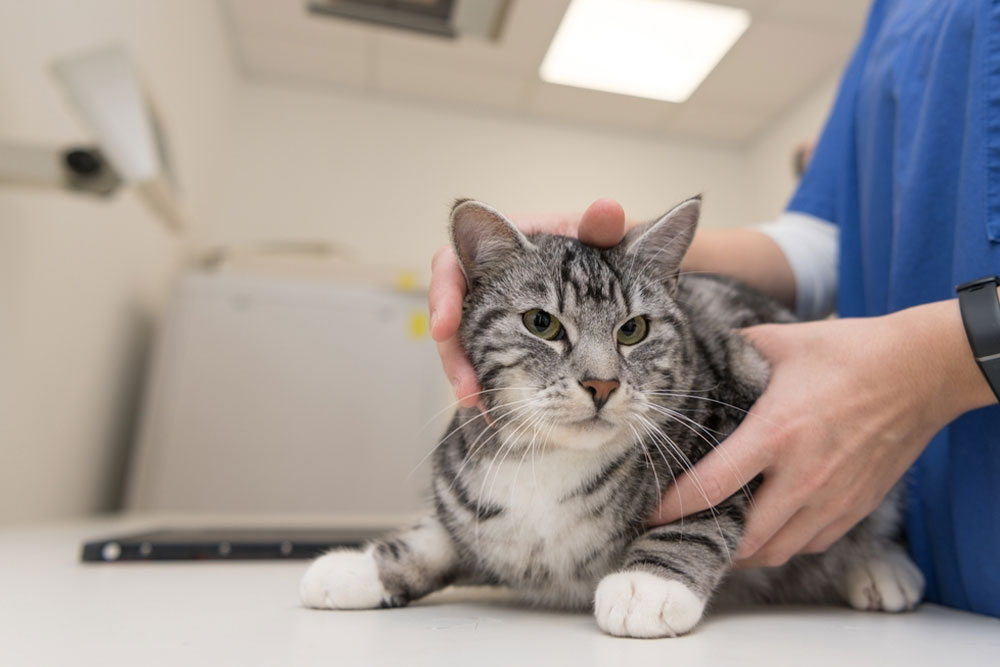
A physical exam gives first clues: murmurs, irregular rhythms, or fluid buildup. If we find concerns or your pet’s breed is at risk, we recommend further testing.
Understanding heart disease diagnosis helps you decide next steps. Chest X-rays show heart size and fluid. An echocardiogram uses ultrasound to look at valves and chambers in real time. NT-proBNP testing measures a heart stress marker and can be part of routine senior screening.
Common issues differ by species and size. Small dogs often develop valve disease. Large breeds may face dilated cardiomyopathy. Cats commonly develop hypertrophic cardiomyopathy. Early treatment can slow progression, improve comfort, and guide safe activity. Pets with diagnosed heart disease benefit from regular monitoring to adjust medications and track changes over time.
When We Recommend X-Rays and Ultrasound
X-ray imaging shows bones, lungs, and organ outlines. We use it for cough, breathing changes, abdominal discomfort, suspected arthritis, or masses. Digital radiography is fast and clear; sedation is only occasionally needed.
Ultrasound imaging complements X-rays by showing organ structure and blood flow. It helps us evaluate the liver, kidneys, spleen, bladder, intestines, and reproductive organs. It’s non-invasive and comfortable, providing real-time visualization of organ health. Together with lab tests and the exam, imaging gives a full picture and helps decide on monitoring, biopsy, or surgery.
Detecting Cancer, Internal Organ Decline, and Arthritis
Cancer: Catching It Early
Routine screening finds cancer in pets sooner. Exams detect new lumps or enlarged lymph nodes. Blood work and imaging can reveal hidden issues. We often recommend a fine needle sample or biopsy to learn whether a mass is benign or malignant, so we can act quickly and appropriately. Early detection improves treatment options and outcomes.
Kidney Disease: Slowing the Progression
Chronic kidney disease is one of the most common conditions in senior pets, especially cats. The kidneys gradually lose their ability to filter waste and concentrate urine, but early stages often show no obvious symptoms. By the time pets drink more water, lose weight, or vomit frequently, significant function has already been lost.
Blood work and urinalysis together give the clearest picture. Elevated kidney values on chemistry panels, combined with dilute urine, help us stage the disease and guide treatment. Caught early, kidney disease can often be managed for years with prescription diets that reduce the kidneys’ workload, medications to control blood pressure and protein loss, and hydration support. Regular monitoring allows us to adjust the plan as your pet’s needs change.
Liver Disease: Spotting Trouble Early
Blood tests flag liver disease when enzymes climb or proteins change. Ultrasound helps us see size, texture, and any masses or blockages. Many liver issues respond to medication and diet, while others need more intensive care. Early intervention prevents progression to failure.
Arthritis: Easing Pain and Improving Mobility
We look for stiffness, muscle loss, and reluctance to jump or climb. X-rays show joint changes. Our arthritis and pain management approach uses a multi-modal strategy because combining therapies provides better comfort than any single treatment alone.
Care plans may include prescription pain medications such as Rimadyl, Onsior, Galliprant, or Metacam to reduce inflammation and discomfort. We carry Dasuquin, a glucosamine and chondroitin supplement that supports joint health in dogs and cats. Adequan injections help treat and prevent further cartilage breakdown. Class IV laser light therapy promotes healing and reduces pain at the cellular level. Weight management through diet changes and low-impact exercise recommendations reduces stress on aging joints. Targeted exercises for osteoarthritis help maintain strength and flexibility.
Dental Health and Whole-Body Wellness
Dental care matters for seniors. Infected gums can affect the heart, liver, and kidneys. Painful teeth make eating difficult and reduce quality of life.
Watch for bad breath, drooling, chewing on one side, or dropping food. Many pets hide mouth pain. Professional dental care under anesthesia lets us fully examine, clean, X-ray, and treat problem areas. Our dental care includes pre-anesthetic blood work, digital dental X-rays, ultrasonic cleaning, polishing, and extractions when needed, with thorough pain control.
At home, daily brushing helps most. Dental chews and water additives can support oral health. We’ll show you simple techniques during wellness visits.
Building a Personalized Senior Care Plan
Every senior pet is unique. Breed, size, lifestyle, and health history shape risk. We partner with you to tailor testing and follow-up, adjusting screening frequency based on findings and individual risk factors. Our AAHA-accredited, Cat-Friendly hospital means that you and your pet receive the best- both in medical care and our dedication to providing compassionate, low-stress care.
Our senior wellness programs offer structured packages that make comprehensive care straightforward. The Canine and Feline Optimum Wellness Packages includes two senior wellness exams, core vaccinations, a comprehensive blood panel, urinalysis, stool analysis, two nail trims, nutritional consultation, and $35 off an oral surgery procedure.
These packages ensure nothing gets missed while making twice-yearly visits simple to plan. Based on findings, some pets need additional monitoring; others may benefit from specialty tests. We review results with you and explain what they mean and why we recommend certain treatments. Our goal is to support you and your pet with clear guidance, practical plans, and compassionate care.
FAQs: Senior Pet Screening, Simplified
How often should my senior pet be screened?
Most senior pets do best with screening every six months. Aging can change health quickly, and twice-yearly checks catch issues earlier.
My pet seems fine. Do we still need tests?
Yes. Many conditions are silent at first. Screening finds problems early, when treatment is simpler and more effective.
Will my pet need sedation for imaging?
Usually not for X-rays and ultrasound. We may recommend light sedation only if positioning is critical or a pet is very anxious.
Are thyroid problems lifelong?
Often, yes. Dogs with low thyroid usually need daily medication long term. Cats with high thyroid have several treatment options; we’ll help you choose the best fit. Regular monitoring ensures treatment stays effective.
How can I help my senior pet at home?
Keep a healthy weight, provide gentle exercise, use non-slip rugs or ramps, brush teeth regularly, and give medications as directed. Ask us if you notice behavior, appetite, or mobility changes.
Giving Your Senior Pet the Gift of Proactive Care
Comprehensive screening gives your pet the best chance at comfortable, healthy years. Blood pressure checks, thyroid testing, blood work, and urinalysis can detect common issues early. Imaging helps us evaluate hearts, joints, and organs more clearly. Together, these tools shift care from reacting to illness to protecting health.
Our team at Parker Center Animal Clinic is here to guide you with compassion and practical advice. We believe that when you and your veterinary team work together, your pet benefits from the kind of attentive, personalized care that makes a real difference. If you’re ready to take the next step, schedule a senior wellness appointment to discuss which tests are right for your pet. We’re here to help, answer your questions, and partner with you in your pet’s care. Contact us today so your senior pet can enjoy more good days by your side.