New Clients Can Receive $25 off Your Pet’s First Exam!

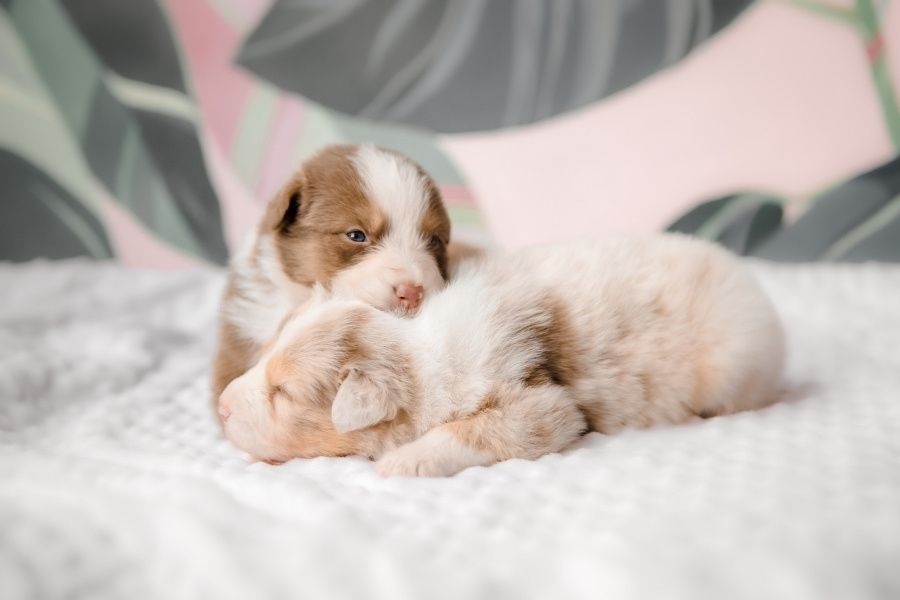
Bringing a new puppy home is one of the most exciting experiences a pet owner can have, but it also comes with responsibilities most people don’t think about until something goes wrong. Puppy care goes far beyond feeding schedules and potty training. Your home, which feels completely safe to you, may be full of hidden dangers for a curious, exploring pup. At Parker Center Animal Clinic, we want every puppy in Parker to start life as safely as possible, and that begins with knowing what to look out for.
The Kitchen: More Dangerous Than You Think
Most pet owners know that chocolate is toxic to dogs, but the kitchen holds far more threats than just a candy bar left on the counter. Many common foods are surprisingly harmful to puppies, including onions, garlic, grapes, raisins, xylitol (an artificial sweetener found in peanut butter, gum, and baked goods), macadamia nuts, and raw yeast dough.
Beyond food, kitchens are full of risks at ground level, which is exactly where puppies explore. Cabinets with cleaning products, trash cans with discarded food scraps, dishwasher pods, and even dryer sheets can cause serious harm if chewed or ingested. Puppies don’t know what’s safe; they experience the world through their mouths.
The fix is simple but important: use childproof latches on lower cabinets, keep trash cans secured or inside a cabinet, and never leave food unattended on low surfaces. Being proactive about kitchen safety is one of the most impactful steps in puppy care.
Household Plants: A Hidden Threat at Nose Level
Houseplants add life and beauty to a home, but dozens of common varieties are toxic to puppies. Some of the most dangerous include sago palm, pothos, philodendron, peace lily, aloe vera, and dieffenbachia. Even a small amount of sago palm can cause liver failure in dogs.
Puppies are naturally drawn to plants: the soil smells interesting, the leaves are at the perfect chewing height, and the dangling roots are irresistible. What looks like innocent play can quickly become a veterinary emergency.
Before bringing a puppy home, audit every plant in your house and yard. The ASPCA maintains an updated list of toxic and non-toxic plants for dogs. When in doubt, move plants out of reach or rehome them entirely. Outdoor gardens deserve the same attention. Azaleas, rhododendrons, and lantana are especially dangerous.
Electrical Cords and Small Objects: Chewing Hazards Everywhere
To a teething puppy, an electrical cord looks exactly like a chew toy. Biting into a live cord can cause burns to the mouth, electrical shock, or even cardiac arrest. This risk is easy to overlook because cords are so commonplace (behind the TV, under desks, along baseboards) that they need to be managed before a puppy has free run of the house.
Use cord concealers, run cables through walls or along baseboards with protective tubing, or block access to areas with exposed wires entirely. Power strips should never be left on the floor within a puppy’s reach.
Small objects pose a separate but equally serious choking and obstruction risk. Children’s toys, hair ties, coins, buttons, batteries, and even small rocks from a houseplant’s soil are all choking hazards. A good rule: if it fits in your closed fist, it’s probably small enough to be a danger. Walk through your home at puppy-eye level to spot what you might otherwise miss.
Medications and Cleaning Products: Never Underestimate Curiosity
Human medications are among the leading causes of pet poisonings reported to the ASPCA Animal Poison Control Center each year. Ibuprofen, acetaminophen, antidepressants, and ADHD medications are particularly toxic to puppies, and many are flavored or sugar-coated, making them appealing to a curious nose.
Store all medications, both prescription and over-the-counter, in a closed cabinet, not on a nightstand or bathroom counter. The same applies to vitamins and supplements. Just because something is natural or intended to help humans doesn’t mean it’s safe for dogs.
Cleaning products including bleach, ammonia-based sprays, toilet bowl cleaners, laundry detergent pods, and drain cleaners should always be stored in locked or latched cabinets. Even residue on floors can irritate a puppy’s paws and be ingested when they groom themselves. Consider switching to pet-safe cleaning products as an extra layer of protection.
Conclusion: Proactive Puppy Care Starts at Home
Puppy care is about more than cuddles and training. It’s about creating an environment where your pup can grow up safely. Most household hazards are completely preventable once you know what to look for, and a little preparation goes a long way. Walk through your home, get down to puppy level, and look at the world the way your pup does. You’ll be surprised what you find.
At Parker Center Animal Clinic in Parker, our team is here to support you through every stage of your puppy’s life, from their first wellness exam to preventive guidance that keeps them safe at home. Schedule your puppy’s first appointment today and give your new family member the healthy start they deserve. We are committed to helping puppies thrive from day one with compassionate, preventive care. Book your puppy’s appointment today and give your pet the care they deserve.
Frequently Asked Questions
Q1. What are the most common household items that are toxic to puppies?
Some of the most common toxic items include xylitol (found in sugar-free products), grapes and raisins, onions and garlic, certain houseplants like sago palm and pothos, and human medications such as ibuprofen and acetaminophen. Even everyday cleaning products can be harmful if a puppy walks through a freshly cleaned area and then licks their paws.
Q2. How do I puppy-proof my home before bringing a new dog home?
Start by walking through your home at puppy level: get on your hands and knees and look for exposed cords, small objects, accessible cabinets, and reachable plants. Secure cabinets with childproof latches, cover or conceal electrical cords, remove toxic plants, and store all medications and cleaning products out of reach. A puppy-safe home requires a one-time audit and a few habit changes.
Q3. What should I do if my puppy eats something dangerous?
Contact your veterinarian or the ASPCA Animal Poison Control Center (888-426-4435) immediately. Do not wait for symptoms to appear, as some toxins act quickly. Try to identify exactly what your puppy ingested and how much, since that information helps the vet determine the right course of action.
Q4. Are certain puppy breeds more at risk for household hazards?
All puppies are at risk, but smaller breeds face greater danger from ingesting even tiny amounts of toxic substances due to their lower body weight. Highly curious or mouthy breeds, such as Labrador Retrievers, Beagles, and Dachshunds, may be more prone to getting into things they shouldn’t. Regardless of breed, thorough puppy care includes proactive home hazard management.
Q5. How does good puppy care in Parker help prevent accidental poisoning?
Routine wellness visits are a key part of puppy care in Parker. Your veterinarian can walk you through age-appropriate hazard awareness, recommend safe household products, and provide guidance on what to do in an emergency. Early and ongoing veterinary relationships give puppy owners the knowledge and support they need to keep their pets safe.