New Clients Can Receive $25 off Your Pet’s First Exam!

When your pet comes home after a procedure, it is normal to have questions about their recovery. Pet owners want to know how to keep their dogs and cats comfortable, support their healing, and recognize signs that may require veterinary attention. At Parker Center Animal Clinic, we help families in Parker and nearby understand what to expect after surgery and how proper home care can support a smoother recovery.
Recovery does not end when your pet leaves the clinic. A calm environment, careful monitoring, proper medication use, and following veterinary instructions all play an important role in your pet’s healing process.
How Can You Make Your Pet Comfortable After Surgery?
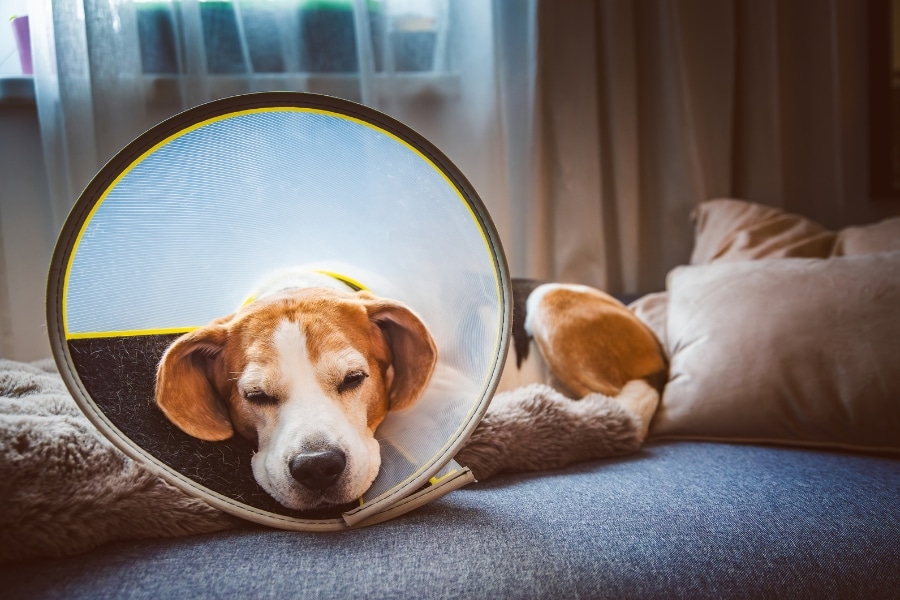
After pet surgery, your companion may feel tired, confused, or less active than usual. These changes can happen as the effects of anesthesia wear off. Creating a safe and quiet recovery space can help your pet rest while their body begins to heal.
Here are some ways to support your pet at home:
- Prepare a comfortable resting area away from loud noises and heavy activity.
- Keep food and water available as recommended by your veterinarian.
- Limit running, jumping, and rough play during the recovery period.
- Follow all medication instructions carefully.
- Prevent your pet from licking or scratching the surgical area.
Your veterinarian will provide specific instructions based on your pet’s procedure, health condition, and recovery needs.
Why Is Rest Important After A Pet Procedure?
Rest allows the body to focus energy on healing. Even pets that appear energetic may still need restricted activity to protect the surgical site and avoid complications.
Dogs and cats often do not understand their physical limits after a procedure. They may try to jump on furniture, play, or return to normal routines before their body is ready.
Using a crate, playpen, or a smaller room may help reduce unnecessary movement. Short, controlled walks may be recommended for some pets, but activity levels should always follow your veterinarian’s guidance.
How Should You Monitor Your Pet’s Recovery At Home?
Close observation is one of the most important parts of post-surgery care. Checking your pet daily can help you notice changes early.
Monitor areas such as:
- Appetite and water intake
- Energy levels
- Bathroom habits
- The appearance of the incision site
- Signs of discomfort or unusual behavior
A small amount of swelling or mild tiredness may occur after some procedures. However, changes that appear severe, worsen over time, or seem unusual should be discussed with a veterinarian.
If you have concerns about the recovery process, you can visit our veterinary hospital for guidance and a professional evaluation after your pet’s surgery.
What Are Warning Signs After Surgery?
While every pet heals differently, certain signs may indicate that your pet needs veterinary attention. Contact your veterinarian if you notice:
- Excessive bleeding or fluid coming from the incision
- Increasing swelling, redness, or heat around the surgical area
- Persistent vomiting or diarrhea
- Difficulty breathing
- Severe weakness or unusual behavior
- Loss of appetite that continues beyond the expected recovery period
Do not give human medications or change prescribed medications unless your veterinarian specifically recommends it. Some medications that are safe for people can be harmful to pets.
How Can You Prevent Recovery Problems?
Preparing before your pet’s procedure can make the recovery period easier. Set up a recovery area in advance and make sure you understand your veterinarian’s instructions before bringing your pet home.
Helpful preparation steps include:
- Arrange a quiet resting space.
- Keep necessary supplies nearby.
- Follow activity restrictions.
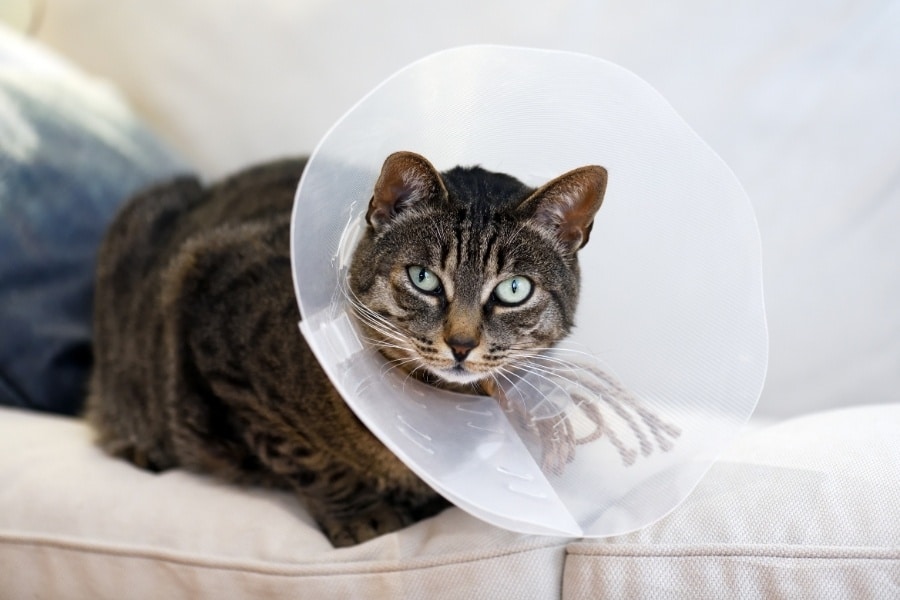
- Use protective equipment, such as an e-collar, if recommended.
- Attend follow-up appointments as scheduled.
Follow-up visits allow your veterinarian to check healing progress and address concerns before they become more serious.
Supporting Your Pet Through The Healing Process
Every pet has a different recovery timeline. Factors such as age, overall health, procedure type, and individual healing response can influence how quickly your pet returns to normal activities.
Older pets or pets with existing health concerns may require additional monitoring during recovery. Puppies, kittens, and active pets may also need extra support to prevent them from overexerting themselves.
Giving your pet patience, comfort, and consistent care can help them feel secure while they heal.
When Should You Contact A Veterinarian After Surgery?
If you are unsure whether your pet’s recovery is progressing normally, reaching out to your veterinary team can provide clarity. Early communication can help identify potential concerns and ensure your pet receives appropriate care.
Parker Center Animal Clinic provides guidance for pet owners in the Parker area throughout the recovery journey, from pre-procedure preparation to post-procedure follow-up care. If your pet needs surgical care or support during recovery, schedule an appointment with our team today.
Frequently Asked Questions
Q1. How long does it take for a pet to recover after surgery?
Ans: Recovery time depends on the type of procedure, your pet’s age and health, and their individual healing process. Some pets recover within days, while others may need several weeks of restricted activity and monitoring.
Q2. What should I do if my pet keeps licking the incision?
Ans: Licking can irritate the surgical site and may increase the risk of healing problems. Use any protective equipment recommended by your veterinarian, and contact Parker Center Animal Clinic if your pet continues to try to disturb the area.
Q3. Can my pet return to normal activities immediately after surgery?
Ans: Most pets need a gradual return to regular activities. Parker Center Animal Clinic recommends following recovery instructions carefully to help protect healing tissues and support a safer recovery.
Q4. How do I know if my pet is in pain after surgery?
Ans: Signs of discomfort may include restlessness, hiding, reduced appetite, changes in posture, or unusual vocalization. If you notice concerning behavior, contact our veterinarian for advice.
Q5. Should I schedule a follow-up visit after my pet’s procedure?
Ans: Follow-up appointments are often recommended to check healing and address any concerns. Parker Center Animal Clinic can help monitor your pet’s progress and provide guidance during recovery.
Q6. What can I feed my pet after surgery?
Ans: Your veterinarian may recommend specific feeding instructions depending on the procedure and your pet’s condition. Follow those directions and contact our veterinary team if your pet refuses to eat or shows signs of digestive issues.