New Clients Can Receive $25 off Your Pet’s First Exam!

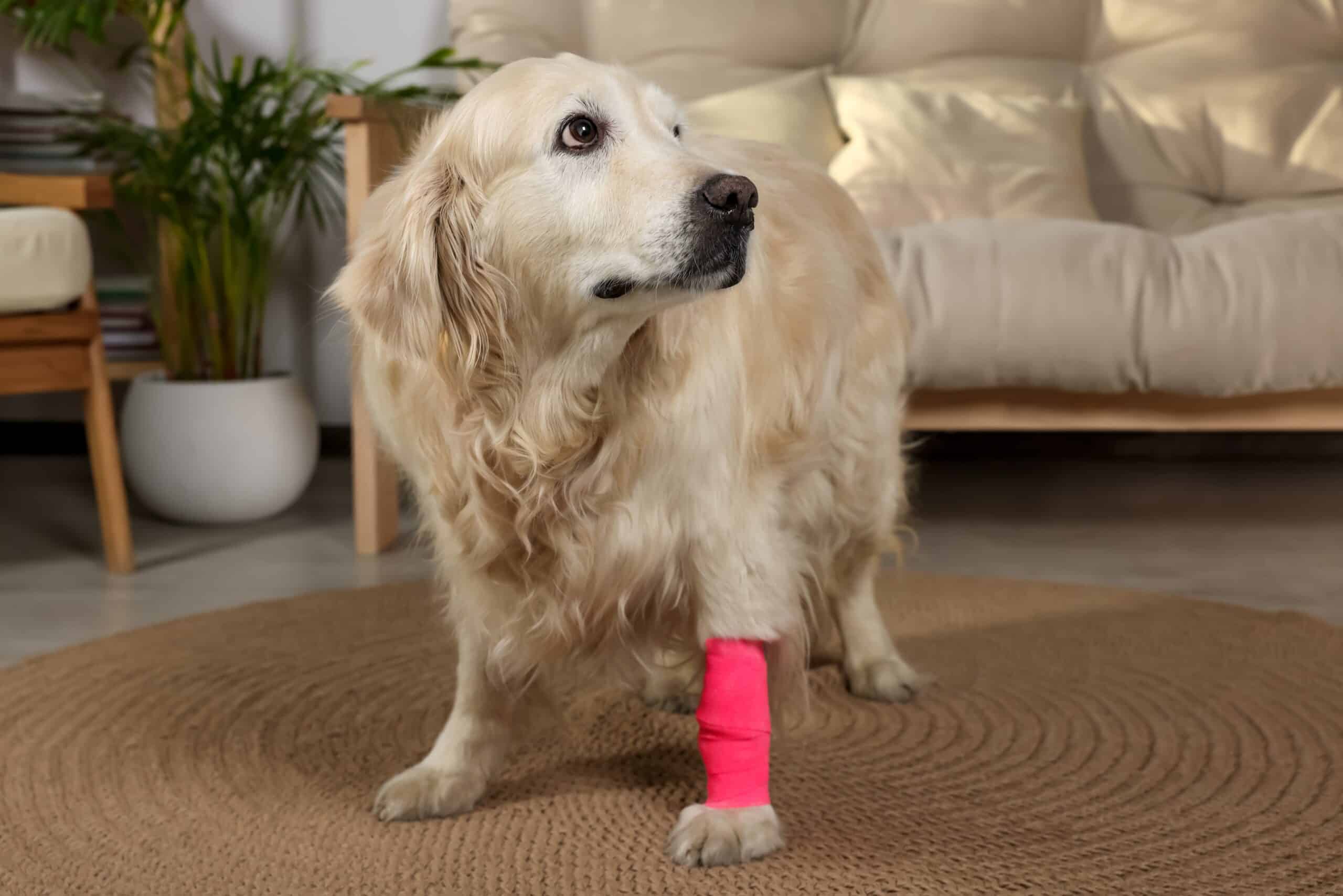
Sharing your life with a senior dog or cat brings a wonderful sense of warmth, quiet companionship, and deep loyalty. Watching your pet transition into their golden years is a poignant reminder of all the joyful years you have shared together, from energetic puppy and kitten days to the calm, comforting rhythm of senior life. However, advanced age often brings subtle physical changes that require close attention from dedicated pet parents. While silver muzzles and slower morning routines are charming, they can also mask a very common medical condition that causes chronic discomfort: joint inflammation and osteoarthritis.
Pets are absolute masters at hiding physical discomfort. In the wild, showing weakness or joint stiffness makes an animal an immediate target for predators, and our domestic companions retain this strong evolutionary survival instinct. Consequently, when an older dog or cat begins experiencing joint soreness, they rarely cry out or limp dramatically. Instead, they alter their daily habits in subtle ways that many owners mistakenly write off as normal signs of getting older. Understanding the true signs of arthritis in dogs and cats helps you look past normal aging stereotypes. Here at Parker Center Animal Clinic in Parker, our veterinary team frequently helps local families identify these hidden red flags early. Let us explore what you need to know to protect your senior pet’s mobility and comfort.
Understanding How Pets Mask Joint Discomfort
To provide truly proactive care, pet parents must understand why joint degeneration goes unnoticed for so long. Cartilage acts as a smooth cushion inside healthy joints, absorbing shock and allowing bones to glide effortlessly past one another. Over time, normal wear and tear, previous injuries, or genetic factors can cause this protective cartilage to break down.
When bones begin rubbing against each other, inflammation, pain, and bony spurs develop. Because dogs and cats cannot tell us where it hurts, they compensate by shifting their weight, avoiding stairs, or jumping less. Owners often assume their pet is simply slowing down due to advanced age, missing the fact that chronic discomfort is actively robbing their companion of a joyful, active lifestyle. Recognizing subtle behavioral changes is the single most effective way to intervene before severe joint damage occurs.
Recognizing Subtle Behavioral Red Flags at Home
Catching joint disease in its earliest stages requires careful observation during your pet’s daily routines. Unlike humans who readily complain about joint stiffness, pets alter their movement patterns gradually.
Keep a close eye out for these common behavioral indicators:
- Hesitation on Stairs: If your dog suddenly halts at the bottom of the staircase, refuses to climb up to the second floor, or your cat stops leaping onto the living room sofa, joint discomfort is likely the culprit.
- Stiffness After Resting: Notice how your pet moves when they first stand up after a long nap. Stiff, rigid legs or a slow, reluctant rise that loosens up after a short walk indicates arthritic inflammation.
- Changes in Grooming Habits: Cats with sore hips or elbows often stop grooming hard-to-reach areas like their lower back and tail base, resulting in a matted or unkempt coat.
- Behavioral Shifts and Irritability: Chronic pain wears down a pet’s patience. An older pet may snap when touched near the hips, show reluctance to be picked up, or withdraw from family interactions.
- Muscle Atrophy in the Limbs: As pets favor painful joints and use certain muscles less frequently, you may notice a visible loss of muscle mass in their legs or back end.
Exploring How to Tell If My Dog Has Joint Pain
While cats are notorious for hiding joint issues through quiet withdrawal, dogs often display distinct movement changes that make evaluation somewhat more straightforward. Figuring out how to tell if my dog has joint pain involves observing their gait and stamina during routine activities.
Watch your dog closely during daily walks. Do they lag behind you instead of pulling eagerly on the leash? Do you notice an uneven, swaying gait, or a noticeable bunny-hopping motion when they run up a grassy hill? Pay attention to how they handle transitions from sitting to standing. If your dog uses their front legs to push up with excessive force while keeping their hind end stiff, they are likely compensating for hip or knee discomfort. Catching these mechanical shifts early allows your veterinarian to recommend targeted support before permanent joint damage sets in.
Modern Solutions for Pet Arthritis Pain Relief
When joint inflammation is diagnosed early, a multi-modal management plan can dramatically improve your pet’s daily quality of life. Modern veterinary medicine offers a wide array of safe, effective options designed to manage inflammation, protect remaining cartilage, and restore comfortable mobility.
Effective pet arthritis pain relief strategies often combine several complementary approaches. Weight management is arguably the most powerful tool available; reducing even a small amount of excess weight takes immense physical pressure off sore hips, knees, and elbows. Additionally, veterinarians frequently recommend specialized joint supplements containing glucosamine and omega-3 fatty acids, targeted anti-inflammatory medications, and controlled low-impact exercise routines like short, frequent walks or physical rehabilitation. Partnering with a dedicated clinic ensures your pet receives a customized plan tailored to their unique physical condition.
Maintaining Long-Term Wellness at a Pet Joint Health Clinic
Supporting an aging pet with arthritis is an ongoing journey of love, observation, and proactive medical management. As seasons change and your pet ages further, their comfort needs will evolve, requiring regular check-ins and adjustments to their daily care routine.
Establishing a consistent relationship with a specialized pet joint health clinic ensures your senior companion receives expert guidance every step of the way. Regular veterinary evaluations allow professionals to assess joint range of motion, monitor organ health if medications are used, and recommend new therapies as they become available.
Our team at Parker Center Animal Clinic is proud to support senior pets and their families throughout the Parker community. Whether you are investigating unusual stiffness, need guidance on pet arthritis symptoms, or want to explore advanced options for pet arthritis pain relief, our experienced professionals are here to support you. Reach out to our Parker clinic today to schedule a wellness consultation and help your beloved dog or cat move comfortably through their golden years.
FAQ
Q1. Are cats just as likely to develop arthritis as dogs as they age?
Ans: Yes, feline arthritis is extremely common in older cats, though it often goes undiagnosed because cats hide joint pain by jumping less rather than limping visibly.
Q2. How can I differentiate normal senior slowing down from actual arthritic pain?
Ans: Normal aging involves general tiredness, whereas arthritis causes specific mechanical stiffness after resting, hesitation on stairs, and visible reluctance to jump.
Q3. What role does body weight play in managing joint discomfort for older pets?
Ans: Excess body weight places constant mechanical strain on sore joints, making weight loss through proper diet one of the most effective ways to reduce pain.
Q4. Can home modifications help an arthritic dog or cat navigate the house more easily?
Ans: Yes, adding non-slip rugs on slick floors, providing ramps for couch or bed access, and raising food bowls can significantly improve daily comfort.
Q5. When should I schedule a professional veterinary evaluation for my stiff senior pet?
Ans: You should schedule an evaluation as soon as you notice subtle mobility changes like hesitation on stairs, altered grooming, or stiffness after resting.