New Clients Can Receive $25 off Your Pet’s First Exam!

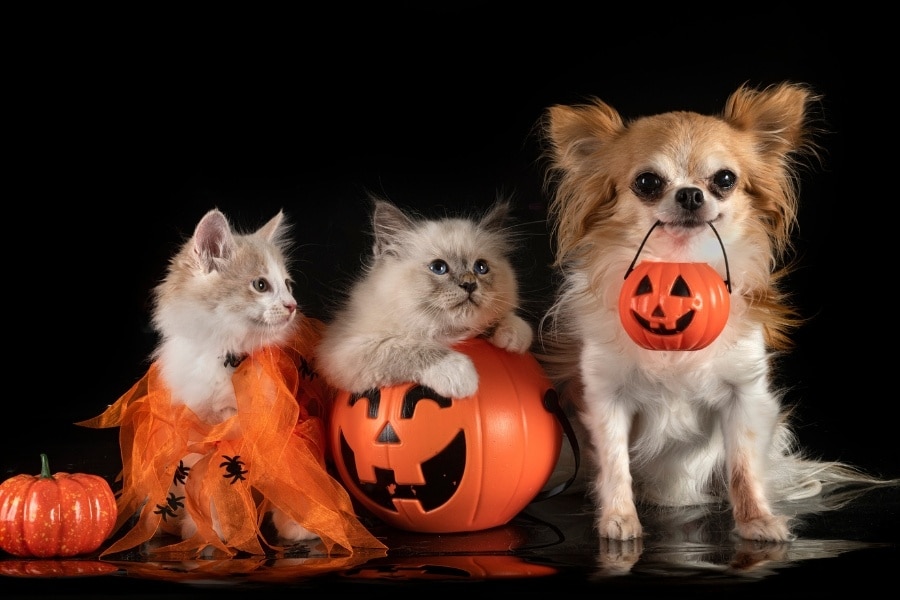
Halloween brings costumes, decorations, visitors, and exciting activities, but these changes can be unsettling for dogs and cats. Unfamiliar sounds, strange-looking people, and disrupted routines may leave pets feeling anxious, even when they are usually calm and sociable. Recognizing the signs of stress can help you make the holiday safer and more comfortable for your furry family members.
At Parker Center Animal Clinic, supporting pets’ health and well-being means helping owners understand changes in their pets’ behavior, too. Knowing what causes Halloween anxiety and how to respond can help you prepare your dog or cat before the celebrations begin.
For pet owners in Parker, CO, a little planning can make a real difference. Whether you are welcoming trick-or-treaters or attending a Halloween gathering, knowing when to create a quiet space and when to seek a veterinary clinic near you can help you make thoughtful decisions for your pet.
Common Signs of Halloween Stress in Pets
Dogs and cats express fear in different ways. Some become restless or vocal, while others withdraw and hide. Watch for changes from your pet’s usual behavior, especially when decorations, visitors, or loud noises are present.
Dogs may show stress by:
- Panting, pacing, trembling, or whining when they are not hot or physically active.
- Barking more than usual at doorbells, costumes, or unfamiliar people.
- Tucking their tails, flattening their ears, or avoiding interaction.
- Hiding, refusing treats, or trying to escape.
Cats may show stress by:
- Hiding under furniture or staying away from family members.
- Crouching low, flattening their ears, or flicking their tails repeatedly.
- Hissing, growling, or becoming unusually withdrawn.
- Eating less or avoiding their usual activities.
One behavior alone does not always indicate anxiety. Consider the situation and look for a combination of signs. Sudden or persistent changes can also indicate a medical problem, so avoid automatically attributing every symptom to Halloween.
What Causes Halloween Anxiety in Pets?
Unfamiliar Costumes and Decorations
Pets rely on familiar sights, sounds, and smells to understand their surroundings. Masks, oversized costumes, animated decorations, and sudden movements can seem threatening or confusing. Even a familiar person may look unfamiliar in a costume.
Introduce decorations gradually when possible, and switch off items that startle your pet. Never force your dog or cat to approach something frightening.
Doorbells and Frequent Visitors
Repeated doorbell sounds, excited children, and people entering and leaving can overwhelm pets. Dogs may bark or become protective, while cats may retreat to quieter areas.
Frequent door openings also increase the risk of a frightened pet escaping. Keeping pets in a secure room away from the entrance can reduce stress and help prevent accidents.
Loud Sounds and Disrupted Routines
Halloween parties, loud music, and neighborhood activity can disturb pets that prefer a peaceful environment. Changes to feeding times, walks, play, and sleep may add to their discomfort.
Keeping everyday routines as consistent as possible gives pets something familiar to rely on when other parts of their environment change.
Practical Ways to Reduce Halloween Stress
Create a Quiet Retreat
Prepare a comfortable space away from the front door and main activity. Include familiar bedding, fresh water, and favorite toys. Cats may appreciate a covered hiding place or elevated perch, while dogs may prefer their usual bed in a quiet room.
Close curtains if outdoor movement is upsetting your pet. Soft background music may help mask sudden sounds. Check on your pet regularly without repeatedly disturbing them.
Keep Pets Secure
If trick-or-treaters will be visiting, keep pets away from the entrance while the door is opening frequently. Make sure doors and windows are secure, and confirm that your pet’s identification tags and microchip details are current.
When walking your dog, use a secure leash and choose a route away from crowded areas if your dog seems uncomfortable. Avoid letting pets roam outside unsupervised during busy Halloween hours.
Maintain Familiar Habits
Feed your pet at the usual time and maintain regular bathroom breaks, walks, and play sessions. A walk or playtime earlier in the day may help your dog settle before visitors arrive. Cats should have reliable access to their litter boxes, food, water, and resting places.
Try to avoid introducing several new experiences at once. For example, a pet that is already nervous around visitors may find a costume, loud music, and a busy gathering overwhelming.
Let Your Pet Choose Whether to Participate
Not every pet enjoys meeting visitors or wearing a costume. Allow your dog or cat to retreat when they need space. Speak calmly, offer a treat if your pet is comfortable accepting it, and avoid forcing interaction.
Never punish growling, hiding, or other fear-related behavior. Punishment can increase anxiety and make it harder for your pet to feel secure. A quiet evening away from the festivities may be the best choice for some animals.
When Should You Seek Veterinary Advice?
Mild stress may improve once the noise and activity stop. However, recurring or severe anxiety deserves attention, particularly if it affects your pet’s eating, sleeping, or daily activities.
Consider seeking veterinary advice if your pet repeatedly panics during celebrations, injures themselves while trying to escape, or develops ongoing behavior changes. A veterinarian can assess whether an underlying health concern may be contributing and discuss suitable ways to support your pet.
Difficulty breathing, collapse, serious injury, or other severe symptoms require urgent veterinary attention. Do not assume these signs are simply caused by stress.
Help Your Pet Have a Calmer Halloween
Halloween can be enjoyable without involving your pet in every activity. By recognizing signs of anxiety, reducing frightening triggers, maintaining familiar routines, and providing a secure retreat, you can help your dog or cat feel more comfortable.
If you have concerns about your pet’s behavior or notice changes that persist beyond the holiday, schedule an appointment to discuss your concerns with the veterinary team.
Frequently Asked Questions
Q1. Can Halloween stress affect a pet’s appetite?
Ans: Yes. Stress may temporarily affect eating habits, activity, and social behavior. However, appetite loss can also have medical causes. Contact your veterinarian if your pet refuses food for a prolonged period or develops additional symptoms.
Q2. Should I let my pet greet trick-or-treaters?
Ans: Only if your pet is comfortable around unfamiliar people and can interact safely. Many pets are happier in a quiet room away from the entrance. Never force an interaction, and keep pets secure while doors are opening frequently.
Q3. What should I do if my pet hides during Halloween?
Ans: Let your pet stay in a safe, quiet place rather than pulling them out of hiding. Provide access to water and familiar bedding, reduce noise where possible, and allow them to emerge when ready. Seek veterinary advice if the behavior is unusually severe or continues afterward.
Q4. Can Parker Center Animal Clinic help with Halloween-related behavior changes?
Ans: Parker Center Animal Clinic can assess health concerns associated with changes in your pet’s behavior and help you discuss appropriate next steps. Share what you have observed, when the behavior started, and which situations seem to trigger it.
Q5. Should I schedule an appointment with Parker Center Animal Clinic if my pet becomes anxious every Halloween?
Ans: If your pet experiences recurring or severe anxiety, scheduling an appointment is a sensible step. Discussing the pattern with the veterinary team can help you explore ways to make future holidays more comfortable for your pet.
Q6. What information should I share with Parker Center Animal Clinic about my pet’s stress?
Ans: Describe the behaviors you have noticed, when they occur, how long they last, and whether your pet’s appetite, sleep, or daily routine has changed. Mentioning specific triggers, such as doorbells or costumes, can help the veterinary team better understand your concerns.