New Clients Can Receive $25 off Your Pet’s First Exam!

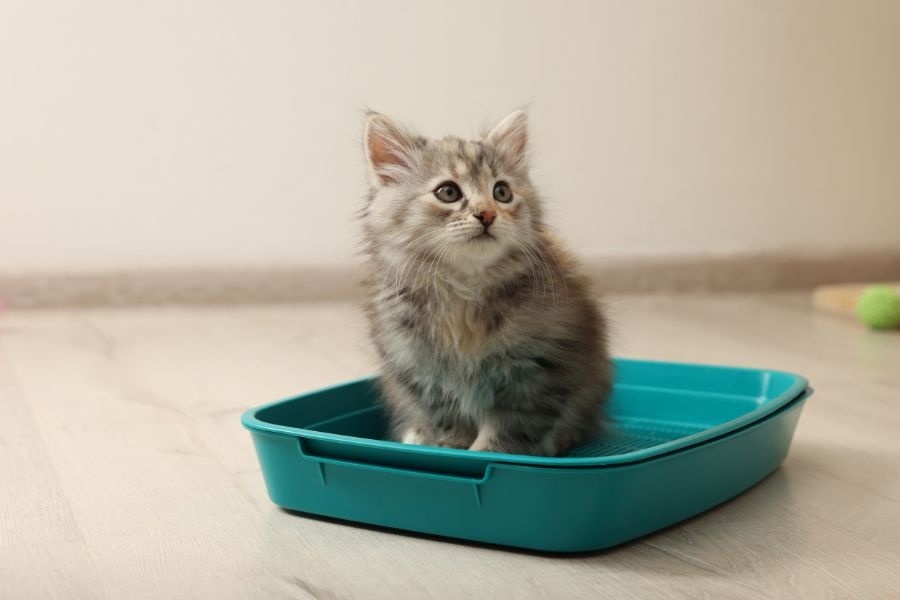
Bringing a new kitten home is a joyful milestone, but it can be an overwhelming experience for your tiny new companion. Kittens thrive on routine and familiarity, and being placed in an unfamiliar environment with new smells, sounds, and faces can trigger anxiety that shows up as hiding, refusing food, or excessive crying. Good kitten care starts the moment your kitten walks through the door, and with a little preparation and patience, you can make that transition far smoother. At Parker Center Animal Clinic, we help kitten owners in Parker set their pets up for a calm, healthy start.
Set Up a Safe, Quiet Space Before Your Kitten Arrives
One of the most impactful things you can do for a new kitten is to prepare a dedicated starter room before bringing them home. This should be a quiet, low-traffic area of the house, such as a spare bedroom or bathroom, where your kitten can decompress without being overwhelmed by the full scope of a new home all at once.
Equip the space with everything your kitten needs: a litter box, fresh water, food, a cozy bed or blanket, and a few toys. If possible, ask the shelter or breeder for a blanket or towel that carries familiar scents. That small comfort can make a significant difference in how quickly your kitten begins to relax.
Keep the door closed and let your kitten explore this smaller space on their own terms. Most kittens will begin to emerge with curiosity once they feel secure. Rushing this process is one of the most common mistakes new kitten owners make, and it often leads to longer-term anxiety.
Let Your Kitten Lead the Introduction
Kittens are not naturally outgoing on their first day in a new home. Many will hide under beds, inside closets, or behind furniture, and this is completely normal behavior. Resist the urge to pull them out or force interaction. Instead, sit quietly near their hiding spot and let them approach you at their own pace.
Speak in low, calm tones and avoid sudden movements. When your kitten does venture out, let them sniff your hand before you attempt to pet them. Short, positive interactions followed by giving them space will build trust far faster than persistent handling.
If you have children or other pets in the home, introductions should be gradual and carefully managed. Other animals should be introduced through a closed door first, allowing both pets to sniff each other without direct contact. This slow approach is a cornerstone of thoughtful kitten care that pays off in long-term harmony.
Create Consistency with Feeding and Routine
Kittens adjust more quickly when their environment is predictable. Establishing a consistent feeding schedule from day one gives your kitten a sense of rhythm that helps reduce anxiety. Feed at the same times each day, in the same spot, using the same dish. If your kitten was eating a specific food at the shelter or breeder, try to continue with that food for at least the first week before making any dietary transitions.
Beyond feeding, keep daily routines as consistent as possible. Loud gatherings, rearranged furniture, or dramatic changes to household noise levels can set back an otherwise smooth adjustment. This does not mean your life needs to stop, but being mindful of your kitten’s sensitivity during the first few weeks makes a real difference.
Playtime also plays an important role in the transition. Interactive play with a wand toy or feather helps your kitten burn energy, bond with you, and build confidence in their new space. Even 10 to 15 minutes of focused play each day can significantly reduce stress behaviors in newly homed kittens.
Watch for Signs That Your Kitten Needs Veterinary Support
Some stress during the adjustment period is expected, but certain signs indicate that your kitten may need professional attention. Not eating for more than 24 to 48 hours, persistent diarrhea or vomiting, labored breathing, discharge from the eyes or nose, or extreme lethargy are all reasons to schedule a veterinary visit promptly.
Many kittens also arrive with underlying health conditions that went undetected before adoption, including upper respiratory infections, intestinal parasites, or ear mites. A wellness exam shortly after adoption is one of the most important steps in kitten care because it establishes a health baseline and catches anything that could complicate the adjustment period.
A first vet visit also gives you the chance to discuss a vaccination schedule, spay or neuter timing, flea and tick prevention, and nutrition guidance tailored to your kitten’s age and breed. Going into that appointment with a list of questions helps you walk away confident and prepared.
Conclusion: Patience and Preparation Make All the Difference
The adjustment period for a new kitten rarely looks perfect, and that is okay. Some kittens settle in within a few days, while others need several weeks to feel fully at ease. The key is to meet your kitten where they are, offer consistency and calm, and resist the urge to rush any part of the process. Good kitten care is not about doing everything at once; it is about doing the right things steadily over time.
At Parker Center Animal Clinic in Parker, our team genuinely loves supporting new kitten owners through every step of this journey. Whether you have questions about nutrition, behavior, or scheduling your kitten’s first wellness exam, we are here to help. Book your kitten’s first appointment today and give your new companion the healthy, stress-free start they deserve.
At Parker Center Animal Clinic in Parker, we are committed to making kitten care simple, supportive, and stress-free for both pets and their people. Schedule your kitten’s first visit today and give your pet the care they deserve.
Frequently Asked Questions
Q1. How long does it take for a new kitten to adjust to a home?
Most kittens begin to feel comfortable within one to three weeks, though some may take up to a month or longer depending on their temperament and past experiences. Providing a quiet space, consistent routine, and gentle interactions helps speed up the process without adding pressure.
Q2. Why is my new kitten hiding and not eating?
Hiding and reduced appetite are normal stress responses in newly homed kittens. As long as your kitten is drinking water and the behavior improves within 24 to 48 hours, it is usually not a cause for alarm. If your kitten refuses food entirely for more than two days, contact your veterinarian to rule out illness.
Q3. When should I schedule my kitten’s first vet visit in Parker?
Ideally, schedule a wellness exam within the first week of bringing your kitten home. Early kitten care in Parker includes a full physical exam, parasite screening, vaccination planning, and nutritional guidance so your new pet gets off to the healthiest start possible.
Q4. How do I introduce a new kitten to my other pets?
Always begin introductions through a closed door, allowing both animals to smell each other without direct contact. After a few days, you can move to supervised face-to-face interactions in a neutral space. Never force contact, and always give each animal a safe retreat. Patience during this stage prevents most long-term conflict.
Q5. What are the most important things to have ready before bringing a kitten home?
Before your kitten arrives, set up a quiet starter room with a litter box, fresh water, food, a cozy sleeping area, and a few safe toys. Having everything in place before the kitten arrives helps reduce overstimulation and makes the first hours in a new home feel manageable rather than chaotic.