New Clients Can Receive $25 off Your Pet’s First Exam!

Pet laser surgery is becoming a trusted option for families who want advanced care with less discomfort and a smoother recovery. For many pet owners in Parker, the idea of surgery can feel overwhelming at first. The good news is that understanding the process can make everything feel more manageable and help you feel confident about your pet’s care.
Laser surgery in veterinary medicine is often used as part of a minimally invasive approach to treatment. It may be recommended for certain soft tissue procedures, growth removal, or other conditions where precision matters. Compared with traditional surgery, laser technology can help reduce bleeding, support cleaner incisions, and often make recovery easier for pets.
At Parker Center Animal Clinic, our goal is to make the entire experience clear from the start. Here is what you can expect before, during, and after your pet’s laser surgery.
Why Pet Laser Surgery Is Different
Laser surgery uses focused light energy to cut or remove tissue with precision. In veterinary care, this can offer several advantages depending on your pet’s condition and the procedure being performed. Because the laser can seal small blood vessels as it works, it may help reduce bleeding and tissue trauma. That often means less swelling, less pain, and a more comfortable healing process for many pets.
Many veterinarians now recommend minimally invasive pet surgery because it can support faster healing and a smoother overall surgical experience. Laser-assisted procedures are designed to improve accuracy while protecting surrounding tissue whenever possible.
Laser surgery is not the right option for every case, but when it is appropriate, it can be a valuable part of modern veterinary treatment. Your veterinarian will explain whether this approach fits your pet’s needs and what results you can realistically expect.
Before Surgery: How to Prepare Your Pet
The preparation phase is just as important as the procedure itself. Before your pet’s surgery, the veterinary team will review your pet’s medical history, current medications, and any symptoms or concerns you have noticed. This helps create a safe, personalized plan.
In many cases, your pet will need a pre-surgical pet evaluation along with bloodwork or diagnostic testing. These steps help the veterinarian check organ function, identify hidden concerns, and ensure anesthesia is as safe as possible. If your pet is older or has an existing medical condition, this stage becomes even more important.
You will also receive instructions about food and water before surgery. Pets are usually asked to fast for several hours before anesthesia. Following these guidelines carefully helps reduce surgical risks and supports a safer procedure.
At home, keep your pet calm and comfortable the night before surgery. Avoid giving treats or medications unless approved by your veterinarian. If your pet tends to become anxious, ask about ways to reduce stress before the appointment.
During Surgery: What Happens in the Clinic
On the day of surgery, your pet will be monitored closely from start to finish. Once anesthesia begins, the veterinary team carefully tracks heart rate, breathing, oxygen levels, and temperature throughout the procedure.
The laser procedure itself is performed with precision and care. Depending on your pet’s condition, the veterinarian may use the laser for tissue removal, soft tissue correction, or advanced surgical treatment. The goal is always to treat the issue effectively while preserving healthy tissue whenever possible.
Many pet owners appreciate how pet surgical consultation appointments help them understand the exact procedure beforehand. Knowing what to expect often reduces anxiety and allows owners to feel more prepared for recovery.
After surgery, your pet will move into a monitored recovery area where the team watches closely as anesthesia wears off. Some pets recover quickly, while others need more time to wake up comfortably.
After Surgery: What Recovery Looks Like
Recovery is one of the most important parts of the healing process. Even though laser surgery may support a gentler recovery than some traditional procedures, pets still need proper rest and monitoring at home.
Your veterinarian will provide instructions for post-operative pet care, including medications, activity restrictions, feeding recommendations, and incision monitoring. Following these instructions carefully can make a major difference in how smoothly your pet heals.
For the first few days, your pet may seem tired or less active than usual. Mild soreness can also happen after surgery. The focus during this stage should be on keeping your pet calm and preventing excessive activity.
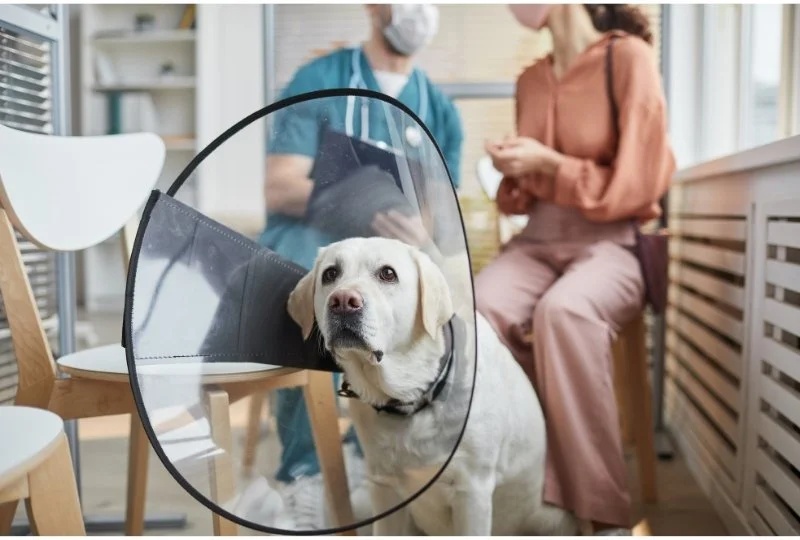
A recovery collar or cone may be recommended to prevent licking or chewing at the incision area. While pets may not enjoy wearing it, this step helps protect the surgical site and lowers the risk of infection.
Checking the incision daily is extremely important. Mild redness or swelling may occur initially, but worsening symptoms, discharge, or bleeding should be addressed by your veterinarian right away.
Pain Management After Laser Surgery
Comfort is a major priority after any surgical procedure. Many veterinarians include veterinary pain management options as part of the recovery plan to help pets stay relaxed and comfortable while healing.
Pain medications should always be given exactly as directed. Never use human medications unless specifically approved by your veterinarian, as many over-the-counter drugs can be dangerous for pets.
If your pet seems unusually uncomfortable, restless, or unwilling to eat, let your veterinary team know. Adjustments to the recovery plan may be needed.
How Long Does Recovery Take?
Recovery time depends on the type of surgery, your pet’s age, and their overall health. Some pets return to normal routines quickly, while others need additional rest and follow-up visits.
Even if your pet appears fully recovered, internal healing may still be taking place. Avoid rushing exercise or rough activity until your veterinarian confirms it is safe.
Routine rechecks are often recommended to ensure healing is progressing normally and to address any concerns before complications develop.
Signs Your Pet May Need Extra Attention
Most pets recover successfully without major issues, but there are some warning signs pet owners should never ignore. Contact your veterinary team if you notice:
- Excessive swelling or bleeding
- Vomiting or diarrhea
- Trouble breathing
- Extreme lethargy
- Loss of appetite lasting more than a day
- Signs of severe pain
- Discharge from the incision site
Trust your instincts. If something feels unusual during recovery, it is always better to have your pet evaluated sooner rather than later.
Why Pet Owners Choose Laser Surgery
Pet laser surgery continues to grow in popularity because it may help reduce bleeding, tissue trauma, and discomfort during recovery. Many pet owners also appreciate the precision and advanced technology involved in the procedure.
Just as importantly, understanding the process often helps reduce stress for both pets and owners. When families know what to expect before, during, and after surgery, they feel more confident supporting recovery at home.
At Parker Center Animal Clinic, we are committed to making advanced veterinary care less stressful and more comfortable for pets and their families. If your pet may benefit from laser-assisted treatment, book an appointment today and learn more about your surgical care options.
FAQs About Pet Laser Surgery
1. Is laser surgery safe for pets?
Yes, laser surgery can be a safe and effective option when performed by a trained veterinary team and recommended for the right condition.
2. Will my pet experience pain after surgery?
Some discomfort is possible after any procedure, but laser surgery may help reduce swelling and irritation in certain cases. Pain medications are often included as part of recovery care.
3. How should I care for my pet after surgery?
Follow all recovery instructions carefully, limit physical activity, monitor the incision daily, and administer medications exactly as prescribed.
4. Can all pets have laser surgery?
Not every pet or condition is suitable for laser surgery. Your veterinarian will determine whether it is the best option after a complete examination.
5. How long does it take for pets to recover?
Recovery time varies depending on the procedure and the pet’s overall health. Some pets recover within days, while others may require several weeks of restricted activity.