New Clients Can Receive $25 off Your Pet’s First Exam!

Your pet may seem perfectly healthy while dental disease is developing inside their mouth. Dogs and cats often continue eating and behaving normally even when plaque, tartar, gum inflammation, or oral discomfort is present. Because early dental problems can be easy to miss, paying attention to changes in your pet’s mouth can be an important part of routine health care.
For pet owners in Parker, CO, regular attention to oral health can help identify problems before they become more advanced. A pet’s dental health can affect eating, comfort, and daily behavior, so routine examinations should be considered part of their overall wellness rather than an occasional concern.
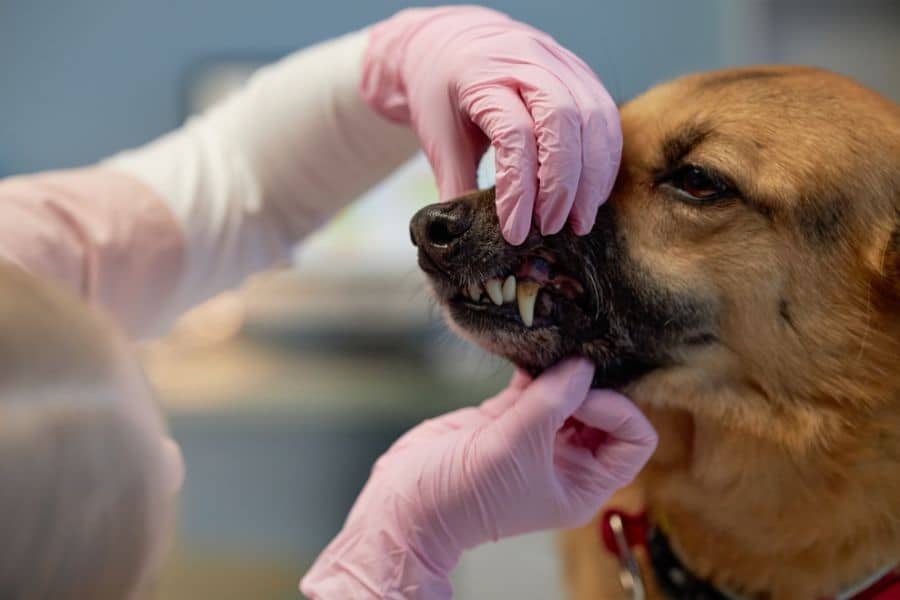
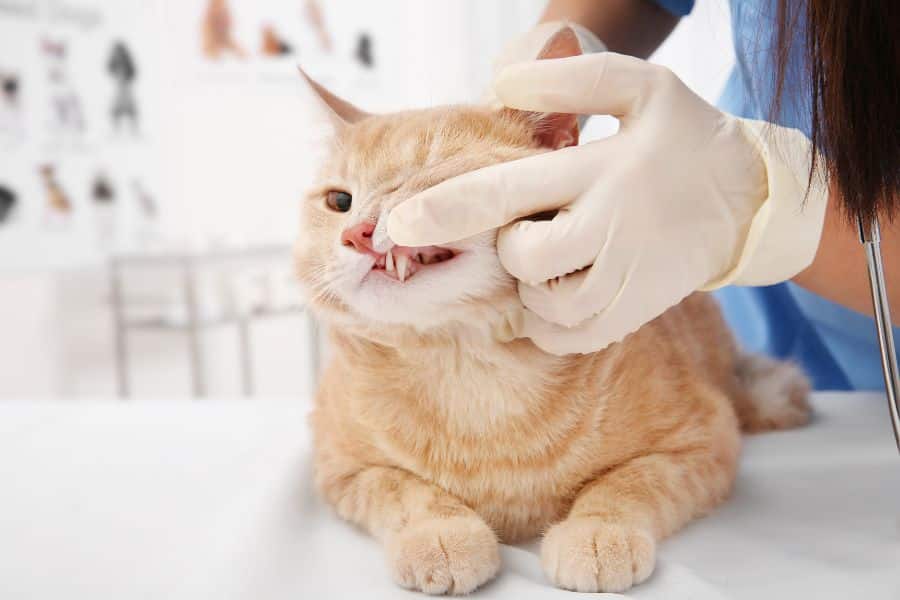
Pet dental care can help veterinarians identify and manage oral health problems based on an individual pet’s needs. Professional dental evaluations may reveal issues that are difficult to see at home, particularly problems affecting areas below the gumline.
Can Dental Disease Affect a Pet’s Overall Health?
Yes. Dental disease can affect more than your pet’s teeth and gums. Ongoing inflammation and infection in the mouth can cause discomfort and damage the tissues supporting the teeth. Advanced dental disease may also be associated with broader health concerns, particularly in pets with other underlying conditions.
The mouth contains many bacteria, and plaque begins forming on teeth after eating. Without adequate plaque control, it can harden into tartar. As dental disease progresses, inflammation can develop around the gums and supporting structures.
How Does Dental Disease Develop?
Dental disease commonly starts with plaque, a thin layer of bacteria that forms on the surface of the teeth. If plaque remains, it can harden into tartar, which cannot be removed effectively through normal chewing or casual brushing.
Gingivitis and Gum Inflammation
The earliest stage of gum disease is often gingivitis. Gums may appear red, swollen, or irritated, particularly around the edges of the teeth.
At this stage, professional evaluation can help determine the appropriate approach to dental care. Addressing oral health concerns before they progress may help protect the tissues supporting the teeth.
Periodontal Disease
If dental disease progresses, inflammation can extend deeper around the teeth. Periodontal disease can affect the gums and structures that help hold teeth in place.
Pets with more advanced dental disease may experience oral discomfort, loose teeth, difficulty chewing, or other noticeable changes. Some problems may not be obvious without a thorough veterinary dental examination.
What Signs of Dental Disease Should You Watch For?
Bad breath is one of the most common signs pet owners notice, but it is not the only one. Other possible signs include:
- Yellow or brown buildup on the teeth
- Red, swollen, or bleeding gums
- Drooling more than usual
- Dropping food while eating
- Chewing differently or more slowly
- Reluctance to eat hard food
- Pawing at the mouth
- Swelling around the face or jaw
- Loose or damaged teeth
Not every pet will show obvious signs. Some animals may continue eating despite oral discomfort, which is why regular veterinary examinations remain valuable.
Why Does Dental Health Matter for Older Pets?
Dental care becomes particularly important as pets age because years of plaque and tartar accumulation can contribute to more advanced oral disease. Senior pets may also have other health considerations that make regular veterinary monitoring especially useful.
A veterinarian can assess your pet’s mouth alongside their overall health and determine whether a dental procedure, diagnostic testing, or additional monitoring may be appropriate.
How Can You Help Protect Your Pet’s Dental Health?
Consistent dental care can help manage plaque and support healthier teeth and gums. Depending on your pet, your veterinarian may recommend tooth brushing, veterinary-approved dental products, professional cleanings, or a combination of approaches.
If you are introducing tooth brushing at home, start gradually and use products specifically intended for pets. Human toothpaste should not be used unless a veterinarian specifically recommends it.
Home care is helpful, but it does not replace professional dental examinations. Some dental problems can occur below the gumline and may not be visible during a quick inspection.
What Happens During Professional Pet Dental Care?
The exact process depends on your pet’s oral health and overall condition. A veterinary dental procedure may involve an examination of the mouth, professional cleaning, assessment of the teeth and gums, and additional care when dental problems are identified.
Your veterinarian can explain what your pet may need based on their examination and medical history. If anesthesia or other precautions are appropriate, the veterinary team can also discuss those considerations before the procedure.
The goal is to address existing oral health concerns while creating an appropriate plan for maintaining dental health afterward.
When Should You Contact a Veterinarian?
Schedule a veterinary examination if your pet develops persistent bad breath, visible tartar, red or bleeding gums, difficulty chewing, excessive drooling, facial swelling, loose teeth, or a noticeable change in eating habits.
More urgent evaluation may be appropriate if your pet has significant facial swelling, heavy bleeding, severe discomfort, or cannot eat or drink normally.
Even when your pet appears comfortable, routine dental examinations can help identify problems before they become more difficult to manage.
Dental disease is more than a cosmetic issue. Plaque, tartar, gum inflammation, and periodontal disease can affect your pet’s comfort and oral health, while advanced dental problems may have implications for their overall well-being. Regular veterinary examinations combined with appropriate home dental care can help you stay ahead of potential concerns.
If you are noticing changes in your pet’s breath, gums, teeth, or eating habits, Parker Center Animal Clinic can evaluate their oral health and discuss appropriate next steps. Schedule an appointment to learn more about your pet’s dental needs and ongoing preventive care.
Frequently Asked Questions
Q1. Can dental disease make my pet sick?
Ans: Dental disease can cause oral pain, inflammation, and damage to the tissues supporting the teeth. Advanced dental problems may also be associated with broader health concerns, so veterinary evaluation is recommended when signs are present.
Q2. What are the first signs of dental disease in pets?
Ans: Bad breath, tartar buildup, red gums, drooling, and changes in chewing can be early warning signs. Some pets show few obvious symptoms, making routine dental examinations important.
Q3. Can regular brushing prevent dental disease in pets?
Ans: Regular brushing can help reduce plaque buildup, but it does not eliminate the need for veterinary dental examinations. Your veterinarian can recommend an appropriate home-care routine for your pet.
Q4. Does Parker Center Animal Clinic provide pet dental care?
Ans: Parker Center Animal Clinic can evaluate your pet’s oral health and recommend appropriate dental care based on their individual needs and overall health.
Q5. When should I schedule a dental examination at Parker Center Animal Clinic?
Ans: A dental examination may be appropriate if you notice bad breath, tartar, gum changes, chewing difficulties, drooling, or other signs of oral discomfort. Routine examinations can also support preventive care.