New Clients Can Receive $25 off Your Pet’s First Exam!

A pet can have a painful mouth without making it obvious. Dogs and cats often continue eating, playing, and interacting with their families even when their teeth or gums are uncomfortable. This can make dental problems easy to overlook until they begin affecting everyday life.
Good pet dental health is about more than keeping teeth clean. Healthy teeth and gums support comfortable eating, normal behavior, and overall quality of life. When oral problems develop, pets may quietly change how they eat, sleep, play, groom themselves, or interact with people.
Understanding these changes can help pet parents recognize dental concerns earlier and seek appropriate veterinary guidance.
Why Dental Health Matters to Everyday Comfort
The mouth plays a major role in nearly everything a pet does. Dogs use their teeth to chew food, carry toys, and explore objects. Cats rely on their mouths for eating, grooming, and interacting with their environment.
When teeth or gums become painful, ordinary activities can become uncomfortable.
Dental problems may include plaque buildup, tartar, inflamed gums, damaged teeth, infections, or other oral conditions. Some problems remain hidden below the gumline, making them difficult for owners to identify during routine brushing or visual checks.
A pet may not stop eating completely. Instead, they may make subtle adjustments to avoid discomfort.
Possible changes include:
- Eating more slowly
- Dropping food while chewing
- Chewing on one side of the mouth
- Avoiding hard treats
- Swallowing food without chewing
- Walking away from meals
- Preferring softer food
- Becoming hesitant around food
These behaviors can indicate that eating is no longer as comfortable as it once was.
Dental Problems Can Change Appetite
A noticeable appetite change does not always mean a pet has lost interest in food. Sometimes the desire to eat remains strong, but pain makes chewing difficult.
For example, a dog may approach the food bowl eagerly but hesitate once chewing begins. A cat may continue eating but consume smaller portions over a longer period.
Some pets may also develop preferences for softer food because it places less pressure on painful teeth and gums.
Pet parents should pay attention to changes in eating patterns, even when their pet is still consuming food. A gradual change can be easier to miss than a complete refusal to eat.
If your pet suddenly changes how they eat, discuss the change with your veterinarian.
Oral Pain Can Affect Behavior
Pets cannot explain that their mouth hurts. Instead, discomfort may appear as a behavioral change.
A normally social pet may become less interested in being touched around the face. A playful dog may stop carrying favorite toys. A cat may become more withdrawn or irritable.
Behavioral changes can include:
- Increased irritability
- Reduced interest in play
- Avoiding face touching
- Hiding more often
- Becoming less social
- Dropping toys
- Hesitating to chew
- Increased vocalization
- Changes in grooming habits
These signs are not specific to dental disease. Many health conditions can influence behavior. However, when behavioral changes occur alongside bad breath, chewing changes, drooling, or gum irritation, dental health deserves attention.
Bad Breath Is Not Just a Cosmetic Problem
Pet parents sometimes assume bad breath is simply part of having a dog or cat. Mild mouth odor can occur, but persistent unpleasant breath should not be ignored.
Strong or persistent odor can be associated with oral bacteria, plaque, gum disease, damaged teeth, or other dental concerns.
A clean mouth should not produce a consistently foul smell.
Regular pet dental care helps keep the mouth healthier and allows veterinary professionals to identify changes that may not be visible at home.
Cats May Hide Dental Discomfort
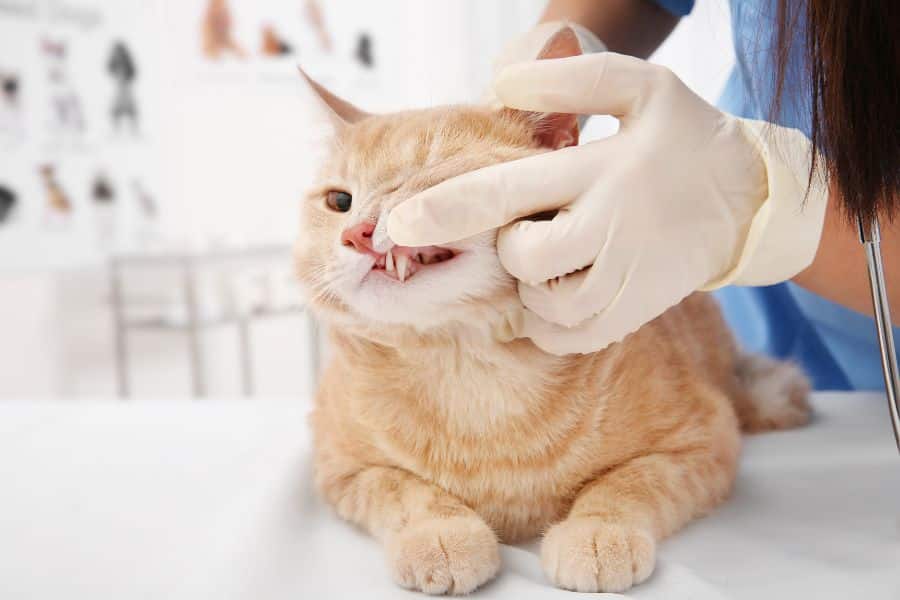
Cats are particularly skilled at hiding signs of discomfort. Their natural behavior can make dental problems difficult to recognize.
A cat may continue eating despite significant oral pain. Instead of refusing food, they may change their eating style.
Watch for signs such as:
- Turning the head while chewing
- Dropping pieces of food
- Swallowing kibble without chewing
- Pawing at the mouth
- Excessive drooling
- Reduced grooming
- Increased irritability
- Hiding more often
A cat that appears normal at first glance may still have an underlying dental condition.
Dogs Can Hide Pain Too
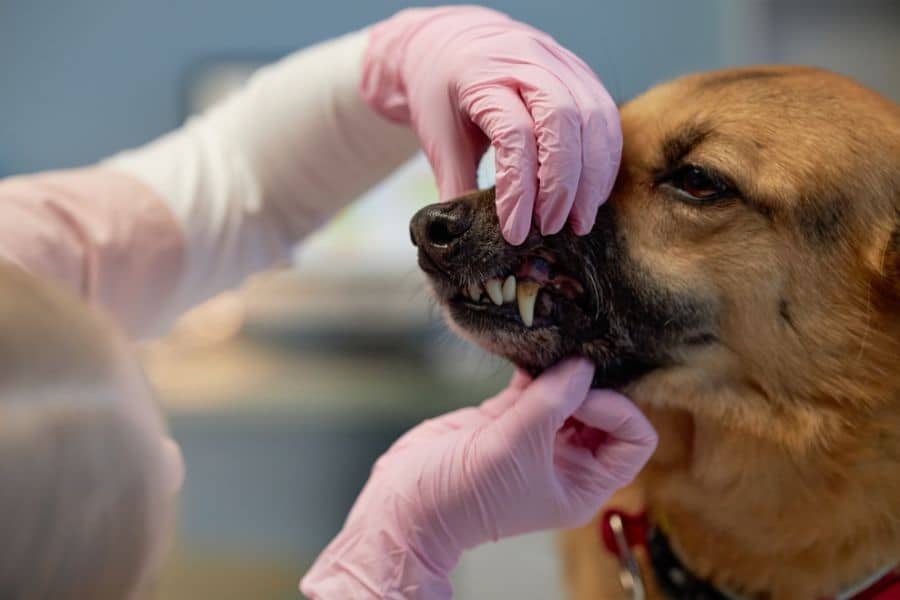
Dogs may show dental discomfort differently. Some continue eating normally because their appetite remains strong. Others may avoid certain treats, stop chewing toys, or become reluctant to play games involving their mouths.
Watch your dog’s habits during meals and play.
A dog that suddenly stops carrying a favorite ball or no longer wants to chew toys may be experiencing oral discomfort. Changes in breath, drooling, gum appearance, or chewing habits can provide additional clues.
What Professional Pet Dental Care Provides
Home dental care is valuable for maintaining oral hygiene, but it does not replace professional veterinary dental evaluation.
During a dental assessment, the veterinary team can examine the teeth and gums and look for signs of oral disease. Depending on the pet’s needs, professional dental care may involve cleaning, polishing, dental imaging, or treatment of specific dental conditions.
Some dental problems develop below the gumline and cannot be fully evaluated through a simple visual inspection.
Professional care helps address areas that daily brushing cannot reach.
Home Care Still Matters
Pet dental care should continue between professional visits. Regular brushing can help slow plaque accumulation and support healthier teeth and gums.
Introduce brushing gradually. Let your pet become comfortable with having their mouth handled before introducing a toothbrush. Use products specifically designed for pets and follow veterinary recommendations.
Other helpful habits include:
- Checking your pet’s mouth regularly
- Watching for changes in breath
- Monitoring chewing behavior
- Providing veterinarian approved dental products
- Keeping regular dental appointments
- Reporting changes in eating or behavior
Consistency matters more than forcing a complicated routine.
When to Schedule a Dental Evaluation
A dental evaluation can be useful when you notice changes in appetite, chewing, behavior, breath, or comfort.
Contact your veterinary team if your pet develops persistent bad breath, swollen or bleeding gums, excessive drooling, difficulty chewing, facial sensitivity, loose teeth, or changes in normal eating habits.
Early attention can help identify oral problems before they interfere more significantly with daily life.
Support Your Pet’s Comfort With Better Dental Care
Good pet dental health can influence far more than the appearance of your pet’s teeth. Comfortable eating, normal play, healthy grooming, and positive interaction can all be affected by oral health.
At Parker Center Animal Clinic, the veterinary team can help you understand your pet’s dental needs and create an appropriate care routine. Regular professional evaluations combined with consistent home care can support healthier teeth, healthier gums, and greater everyday comfort.
Schedule a Pet Dental Evaluation
Concerned about your pet’s breath, eating habits, chewing, or behavior? Contact Parker Center Animal Clinic to discuss pet dental care and schedule a dental evaluation. A professional assessment can help identify potential oral concerns and give you practical guidance for maintaining your pet’s dental health at home.
FAQ
Q1. Can dental problems cause my pet to eat differently?
Ans: Yes. Oral discomfort can cause a pet to chew more slowly, drop food, favor one side of the mouth, avoid hard treats, or prefer softer foods. Any persistent change in eating habits should be discussed with a veterinarian.
Q2. Is bad breath normal in dogs and cats?
Ans: Persistent strong breath odor should not simply be considered normal. It can be associated with plaque, gum disease, damaged teeth, or other oral problems and should be evaluated by a veterinary professional.
Q3. Can my pet have dental disease while still eating normally?
Ans: Yes. Pets can continue eating despite oral discomfort. They may compensate by chewing differently or choosing softer foods, so normal appetite does not always mean a healthy mouth.
Q4. How can I support my pet’s dental health at home?
Ans: Gradual toothbrushing with pet specific products can help control plaque between professional visits. Regularly checking the mouth and monitoring eating and chewing habits can also help you notice changes early.
Q5. How often should my pet have a dental evaluation?
Ans: The appropriate frequency depends on your pet’s age, species, dental condition, home care routine, and individual risk factors. Your veterinarian can recommend a schedule based on your pet’s needs.