New Clients Can Receive $25 off Your Pet’s First Exam!

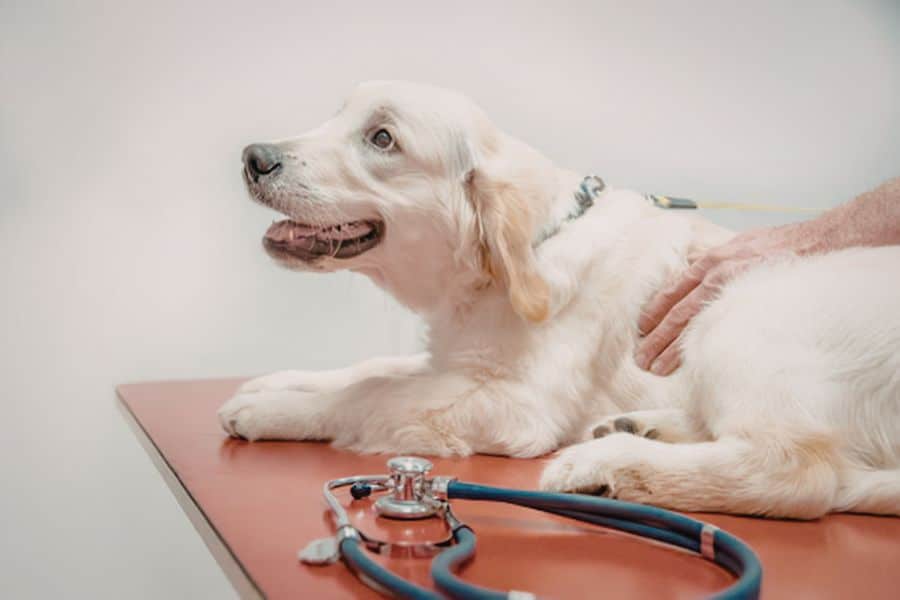
A pet can be playful, energetic, and eating normally while still developing a health problem that is difficult to notice at home. Many pets instinctively hide signs of discomfort, and some conditions progress quietly before obvious symptoms appear. That is why routine veterinary care matters even when your dog or cat seems completely healthy.
For pet owners in Parker, CO, regular veterinary visits provide an opportunity to monitor changes in your pet’s health over time. A veterinarian can evaluate your pet’s physical condition, discuss age-related needs, and identify concerns that may not be visible during everyday interactions.
Preventative pet care focuses on staying ahead of potential problems rather than waiting until symptoms become noticeable. Routine examinations, vaccinations, parasite prevention, dental evaluations, nutrition guidance, and age-appropriate screening can all contribute to a healthier long-term care plan.
Why Do Healthy-Looking Pets Still Need Veterinary Exams?
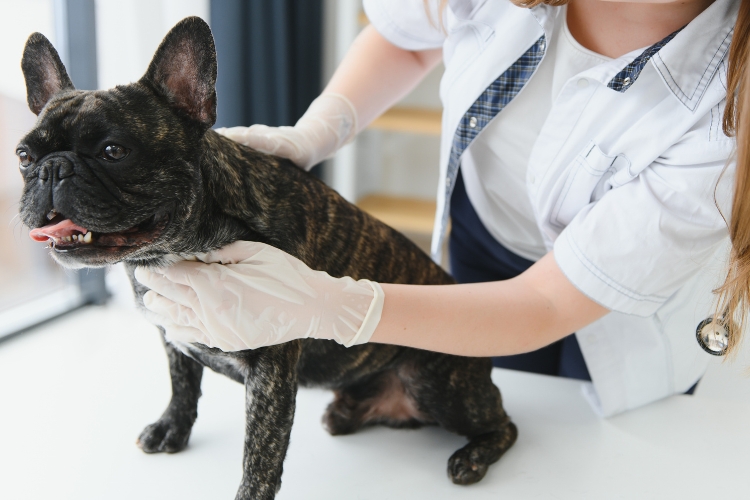
Healthy-looking pets still need routine veterinary exams because some illnesses and health changes may not cause obvious symptoms in their early stages. Regular examinations allow veterinarians to establish a baseline for your pet and monitor subtle changes over time.
During an exam, the veterinarian may assess your pet’s:
- Weight and body condition
- Heart and lung function
- Eyes, ears, and mouth
- Skin and coat
- Musculoskeletal health
- Abdomen and lymph nodes
- Overall behavior and physical condition
These evaluations can reveal changes that might otherwise go unnoticed. Routine visits also give you a chance to discuss concerns about diet, exercise, behavior, dental health, or changes you have noticed at home.
What Can Routine Veterinary Care Help Prevent?
Preventative care can reduce certain health risks and help identify developing problems earlier. It does not guarantee that a pet will never become sick, but it gives your veterinarian more opportunities to monitor health and recommend appropriate care.
Vaccination and Disease Prevention
Vaccinations help protect pets from several contagious diseases. Your veterinarian can recommend a vaccination schedule based on your pet’s age, lifestyle, health history, and exposure risks.
Parasite prevention is another important part of routine care. Fleas, ticks, heartworms, and intestinal parasites can affect pets even when they spend much of their time indoors.
Dental Health
Dental disease can develop gradually without dramatically changing a pet’s behavior. Bad breath, tartar buildup, red gums, difficulty chewing, or dropping food may indicate an oral health concern.
Routine oral examinations can help identify dental problems and determine whether your pet may benefit from professional dental care.
Weight and Nutrition
A gradual change in body weight can be easy to miss, particularly when you see your pet every day. Regular weight checks help your veterinarian track trends and discuss nutrition or activity adjustments when appropriate.
Maintaining a healthy weight can support mobility and overall wellness, especially as pets get older.
Does Preventative Care Change as Pets Age?
Yes. A pet’s healthcare needs can change significantly throughout its life. Puppies and kittens typically require more frequent visits during early development, while adult pets benefit from ongoing wellness monitoring.
Senior pets may need closer observation because age-related changes can affect mobility, dental health, organ function, vision, hearing, and other aspects of health. Depending on the individual pet, your veterinarian may recommend additional examinations or diagnostic screening as they age.
This is one reason a consistent veterinary history is valuable. Comparing current findings with previous visits can help your veterinarian recognize changes that may otherwise be difficult to identify.
What Can Pet Owners Do Between Veterinary Visits?
Routine veterinary care works best alongside everyday attention at home. You can help by monitoring your pet’s normal eating habits, water intake, bathroom habits, activity level, weight, and behavior.
Pay attention to gradual changes rather than looking only for dramatic symptoms. For example, a pet that becomes slightly less active, drinks more water, or becomes reluctant to jump may be experiencing a change worth discussing with a veterinarian.
Keeping vaccinations and parasite prevention current, providing appropriate nutrition, maintaining dental hygiene, and giving your pet regular exercise can also support ongoing wellness.
When Should You Contact a Veterinarian?
You should contact a veterinarian if you notice a persistent or unusual change in your pet’s behavior, appetite, drinking, elimination, breathing, mobility, or appearance.
More urgent evaluation may be appropriate if your pet has difficulty breathing, collapses, experiences repeated vomiting or diarrhea, has significant bleeding, appears severely painful, or suddenly becomes extremely weak or unresponsive.
Even when a change seems minor, contacting your veterinary team can help determine whether your pet should be examined.
A healthy appearance is encouraging, but it does not always tell the full story of your pet’s health. Routine examinations allow veterinary professionals to monitor your pet over time, address preventive needs, and identify changes before they become more difficult to manage.
For pet owners seeking dependable preventative pet care in Parker, regular veterinary visits can help monitor your pet’s health, catch potential concerns early, and support their well-being at every stage of life. Schedule a routine veterinary appointment today to keep your pet’s preventive care on track.
Frequently Asked Questions
Q1. How often should a healthy pet see a veterinarian?
Ans: Most healthy adult pets benefit from at least an annual wellness examination. Puppies, kittens, senior pets, and animals with ongoing health concerns may need more frequent visits based on their individual needs.
Q2. Can a pet have a health problem without showing symptoms?
Ans: Yes. Some conditions can develop gradually or cause subtle changes that are difficult for owners to recognize. Routine examinations can help identify abnormalities that may not be obvious at home.
Q3. Is preventative care still necessary for indoor pets?
Ans: Yes. Indoor pets can still face risks from dental disease, parasites, weight-related problems, infectious diseases, and age-related health changes. Your veterinarian can recommend preventive care based on your pet’s lifestyle.
Q4. Does Parker Center Animal Clinic provide preventative veterinary care?
Ans: Yes. Parker Center Animal Clinic can help pet owners develop an appropriate routine care plan based on their pet’s age, lifestyle, health history, and individual needs.
Q5. When should I schedule a wellness visit at Parker Center Animal Clinic?
Ans: A wellness visit is appropriate when your pet is due for routine care, vaccinations, preventive treatments, or a general health assessment. You should also contact the clinic if you notice an unexpected change in your pet.
Q6. Can Parker Center Animal Clinic help with my pet’s long-term wellness plan?
Ans: Yes. A veterinary team can discuss preventive healthcare needs such as wellness examinations, vaccinations, parasite prevention, nutrition, dental health, and age-appropriate monitoring.