New Clients Can Receive $25 off Your Pet’s First Exam!


Your pet may seem perfectly healthy today, but good health is not something you should only think about when a problem appears. Regular veterinary care can help detect subtle changes, prevent common health concerns, and give your pet the support they need as they grow and age. Preventative care is about taking action before a manageable concern becomes a more serious health issue.
Every stage of your pet’s life brings different healthcare needs. Puppies and kittens need protection while their immune systems and bodies develop. Adult pets need ongoing monitoring to maintain their health, while senior dogs and cats often benefit from closer observation and age-appropriate screening. As a result, a preventative care plan should change with your pet rather than remain the same throughout life.
For pet owners searching for preventative pet care parker, it is important to understand that preventative veterinary care involves much more than routine vaccinations. Wellness examinations, parasite prevention, dental care, nutrition, weight management, diagnostic testing, and lifestyle guidance can all play a role in keeping your companion healthy. By taking a proactive approach, you give your veterinarian more opportunities to identify changes early and help your pet maintain a good quality of life.
What Is Preventative Pet Care?
Preventative pet care refers to veterinary services and healthy daily habits designed to protect your pet before illness or injury becomes a major concern. Instead of waiting until your pet develops noticeable symptoms, preventative care focuses on regular monitoring and early intervention.
A typical preventative care plan may include:
- Routine wellness examinations
- Vaccinations
- Parasite prevention
- Dental evaluations
- Nutrition recommendations
- Weight monitoring
- Diagnostic screening
- Behavioral guidance
- Lifestyle assessments
- Senior wellness evaluations
However, not every pet needs the same combination of services. Your veterinarian can tailor recommendations based on your pet’s age, breed, lifestyle, environment, medical history, and individual risk factors.
Why Are Routine Wellness Exams Important?
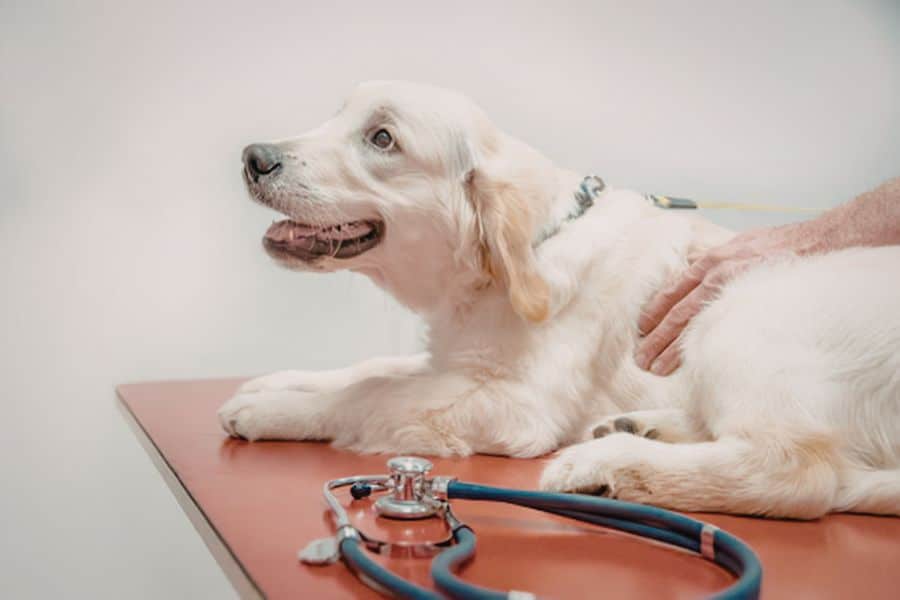
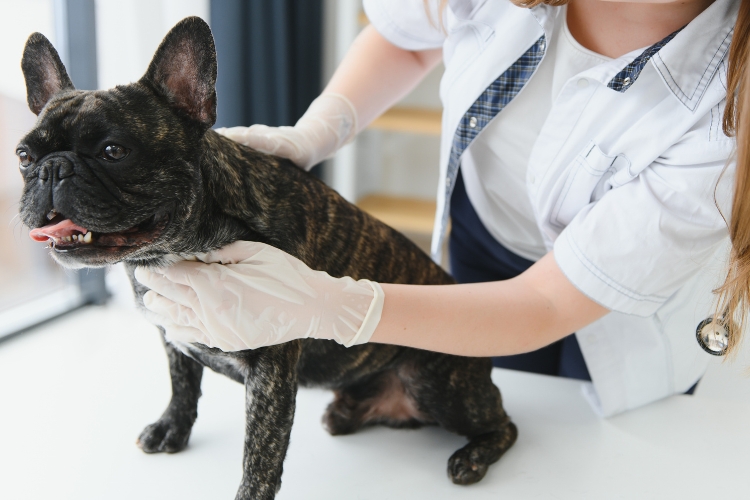
A wellness examination gives your veterinarian an opportunity to evaluate your pet’s overall health even when they appear to feel fine. During an exam, the veterinary team may assess your pet’s body condition, teeth and gums, eyes, ears, skin, heart, lungs, abdomen, mobility, and other important areas.
These visits also give you an opportunity to discuss changes you have noticed at home.
Maybe your dog has started drinking more water. Perhaps your cat sleeps more than usual or has become less interested in jumping onto furniture. Even gradual changes can provide useful information when your veterinarian evaluates them in context.
Furthermore, routine examinations allow your veterinarian to establish a baseline for your pet. By comparing future examinations with previous findings, the veterinary team may recognize changes that could otherwise go unnoticed.
Preventative Care for Puppies and Kittens
The earliest months of your pet’s life are a period of rapid growth and development. Because young pets have different nutritional and healthcare needs than adults, regular veterinary visits are especially important during this stage.
Vaccinations help protect puppies and kittens from serious infectious diseases. Your veterinarian can recommend an appropriate vaccination schedule based on your pet’s age, lifestyle, and risk of exposure.
Parasite prevention also deserves attention. Fleas, ticks, intestinal parasites, and other parasites can affect young pets and may cause significant health problems if left unmanaged. Your veterinarian can recommend prevention options appropriate for your pet.
Nutrition is another major part of early-life care. Puppies and kittens need balanced nutrition to support healthy growth, bones, muscles, organs, and immune function. Feeding the wrong amount or type of food can contribute to growth problems or unhealthy weight gain.
Early visits are also a good time to discuss:
- Spaying or neutering
- Socialization
- Exercise
- Training
- Dental development
- Feeding routines
- Parasite prevention
- Breed-related health concerns
Starting these conversations early can help you build healthy habits that continue into adulthood.
Maintaining Health During Adulthood
Once your pet reaches adulthood, you may notice fewer obvious changes from year to year. Nevertheless, routine veterinary care remains important.
Adult pets can develop health concerns that are not immediately obvious. Weight gain, dental disease, allergies, parasite exposure, and changes in organ function may develop gradually. Regular examinations can help your veterinarian monitor these areas and recommend appropriate action.
Weight deserves particular attention during adulthood. Even a small amount of excess weight can place additional stress on your pet’s joints and may contribute to other health problems. Your veterinarian can assess body condition and help you develop an appropriate nutrition and exercise routine.
Your pet’s lifestyle also matters. A dog that spends a lot of time outdoors may have different parasite and injury risks than a primarily indoor dog. Similarly, an indoor cat and an outdoor cat may have different healthcare considerations.
Therefore, preventative care should reflect how your pet actually lives.
What Changes During the Middle Years?
As pets move into their middle years, their health needs may gradually shift. They may become less active, gain weight more easily, or develop changes in mobility or behavior.
This stage provides an important opportunity to pay closer attention to subtle changes.
For example, you might notice that your dog takes longer to get up after resting or that your cat no longer jumps onto their favorite high surfaces. These changes may seem minor, but they are worth discussing with your veterinarian.
Depending on your pet’s age and health history, your veterinarian may also recommend diagnostic testing. Blood work, urine testing, imaging, or other assessments can provide information that a physical examination alone may not reveal.
Importantly, diagnostic screening does not necessarily mean your veterinarian suspects a serious illness. Sometimes testing helps establish a healthy baseline. Later, your veterinarian can compare those results with future tests to identify meaningful changes.
Senior Pets Need Extra Attention
Aging is a natural part of your pet’s life, but changes associated with aging should not automatically be dismissed as “just getting older.”
Senior pets may experience changes involving their joints, teeth, vision, hearing, kidneys, liver, heart, weight, or cognitive function. They may also become more sensitive to changes in their environment or daily routine.
Because health concerns can develop or progress more quickly in older pets, your veterinarian may recommend more frequent wellness visits or additional screening.
During senior appointments, your veterinary team may discuss:
- Mobility and joint health
- Weight changes
- Appetite and nutrition
- Dental health
- Kidney and liver function
- Heart health
- Urinary changes
- Cognitive behavior
- Pain or discomfort
- Quality of life
Early attention can make it easier to manage many age-related concerns and keep your pet comfortable.
How Does Preventative Care Help With Early Detection?
One of the biggest advantages of regular veterinary care is the opportunity to detect changes before they become obvious.
Pets cannot tell us that something feels different. In addition, many animals instinctively hide signs of discomfort. A pet may continue eating, playing, or interacting with the family even when an underlying condition is developing.
Your veterinarian, however, can look for physical changes and compare them with previous medical records. Diagnostic testing can provide additional information when appropriate.
Early detection does not mean every illness can be prevented or cured. However, recognizing a concern sooner may give you more options for treatment, management, and monitoring.
That can make a meaningful difference in your pet’s comfort and long-term wellbeing.
What Can You Do Between Veterinary Visits?
Preventative care continues at home. In fact, you are one of the most important members of your pet’s healthcare team because you see their everyday habits.
Pay attention to changes in:
- Appetite
- Thirst
- Weight
- Energy
- Mobility
- Bathroom habits
- Sleep
- Grooming
- Behavior
- Breathing
- Skin and coat
- Oral health
You should also keep vaccinations, parasite prevention, medications, and veterinary appointments on schedule.
If something changes and does not seem right, contact your veterinarian rather than waiting for the next routine appointment. Your observations can provide valuable information that helps the veterinary team determine whether your pet needs to be examined.
Preventative Care Should Be Personalized
There is no single preventative care schedule that works perfectly for every pet. A healthy puppy, an active adult dog, and a senior cat have very different healthcare needs.
Your veterinarian may adjust recommendations based on factors such as:
- Age
- Breed
- Size
- Lifestyle
- Environment
- Medical history
- Weight
- Activity level
- Previous health concerns
- Family history
For example, a senior pet may need more frequent monitoring than a healthy young adult. Likewise, a pet with a chronic condition may require a different schedule than an otherwise healthy companion.
The goal is not simply to schedule more appointments. Instead, the goal is to provide the right care at the right time.
Why Consistency Matters
Preventative care works best when you approach it as an ongoing process rather than an occasional task.
A single wellness visit can provide useful information, but regular visits allow your veterinarian to follow your pet’s health over time. Consistent records can make it easier to recognize trends in weight, laboratory results, dental health, mobility, and other areas.
Furthermore, maintaining routine care can help you stay ahead of vaccinations, parasite prevention, dental needs, and age-related changes.
Consistency also gives you a reliable opportunity to ask questions. Your pet’s behavior may change, their diet may need adjustment, or you may simply want guidance about exercise. Routine veterinary visits create space for those conversations.
Making Preventative Care Part of Your Pet’s Routine
You do not need to wait for a health problem before thinking about your pet’s veterinary care. Instead, make wellness part of your pet’s normal routine.
Keep a record of important veterinary information, follow recommended prevention schedules, monitor your pet at home, and communicate changes with your veterinary team. Most importantly, take age-related changes seriously rather than assuming they are inevitable.
For pet owners seeking preventative pet care, working with a veterinary team that understands your pet’s individual needs can make it easier to maintain consistent care from the earliest years through the senior stage.
Give Your Pet the Benefit of Proactive Care
Your pet depends on you to make healthcare decisions on their behalf. While preventative care cannot guarantee that your pet will never become sick, it can provide valuable opportunities to monitor their health, identify changes, and address concerns as early as possible.
From puppy and kitten wellness visits to adult health monitoring and senior screening, every stage deserves thoughtful veterinary attention. With consistent care, healthy daily habits, and open communication with your veterinarian, you can give your companion the best opportunity to stay comfortable and active throughout life.
Schedule your appointment with Parker Center Animal Clinic to discuss a preventative care plan that fits your pet’s age, lifestyle, and individual healthcare needs.
Frequently Asked Questions
Q1. How often should my pet have a wellness exam?
Ans: The ideal schedule depends on your pet’s age, health, lifestyle, and individual risk factors. Puppies and kittens generally need more frequent visits during their first year, while healthy adult pets typically need regular wellness examinations. Senior pets may benefit from more frequent visits as they age.
Q2. What does preventative pet care include?
Ans: Preventative care can include wellness examinations, vaccinations, parasite prevention, dental evaluations, nutrition guidance, weight management, and diagnostic screening when appropriate. Your veterinarian can customize these recommendations based on your pet’s individual needs.
Q3. Why should I choose Parker Center Animal Clinic for preventative pet care?
Ans: Parker Center Animal Clinic provides comprehensive veterinary services designed to support pets throughout their lives. Its preventative services include wellness exams, vaccinations, screenings, and personalized recommendations, while its broader services include dental care, diagnostics, weight management, surgical care, and senior wellness.
Q4. Does Parker Center Animal Clinic offer senior pet wellness care?
Ans: Yes. Parker Center Animal Clinic offers senior wellness care and recommends wellness examinations every six months for pets age seven and older. Its senior wellness programs can include examinations, nutritional guidance, blood testing, urinalysis, fecal testing, vaccinations as needed, and other recommended evaluations.
Q5. Can Parker Center Animal Clinic help with my pet’s preventative diagnostic testing?
Ans: Yes. The clinic offers diagnostic and imaging services, including preventative blood work. Testing can help evaluate areas such as blood cell health, liver and kidney function, blood sugar, electrolytes, and other internal health indicators.
Q6. What can I do at home to support my pet’s preventative care?
Ans: Maintain a healthy diet, provide appropriate exercise, follow parasite and vaccination recommendations, support dental hygiene, monitor your pet’s weight, and watch for changes in appetite, behavior, energy, mobility, or bathroom habits. Share concerning changes with your veterinarian promptly.