10702 S. Parker Rd, Parker, CO 80138

Caring for a pet goes far beyond responding to illness. Preventive care is about identifying subtle changes before they become serious concerns and reducing risks to long-term health. By focusing on early detection and consistent wellness strategies, pet owners can support stronger immune systems, a better quality of life, and fewer unexpected health issues over time.
If you’re a pet owner in Parker, CO, this guide is especially relevant for keeping your furry companion healthy through every life stage with the help of preventive care. From routine screenings to nutrition and behavior monitoring, each step plays a role in building a proactive care plan.
If any of these areas raise concerns, consider scheduling a visit with Parker Center Animal Clinic, where compassionate support is available to guide your next steps.
1. Routine Wellness Exams That Catch Changes Early
Routine veterinary checkups remain among the most effective ways to detect health concerns before symptoms become apparent. Many conditions develop gradually, and without routine observation, they may go unnoticed until they are more difficult to manage.
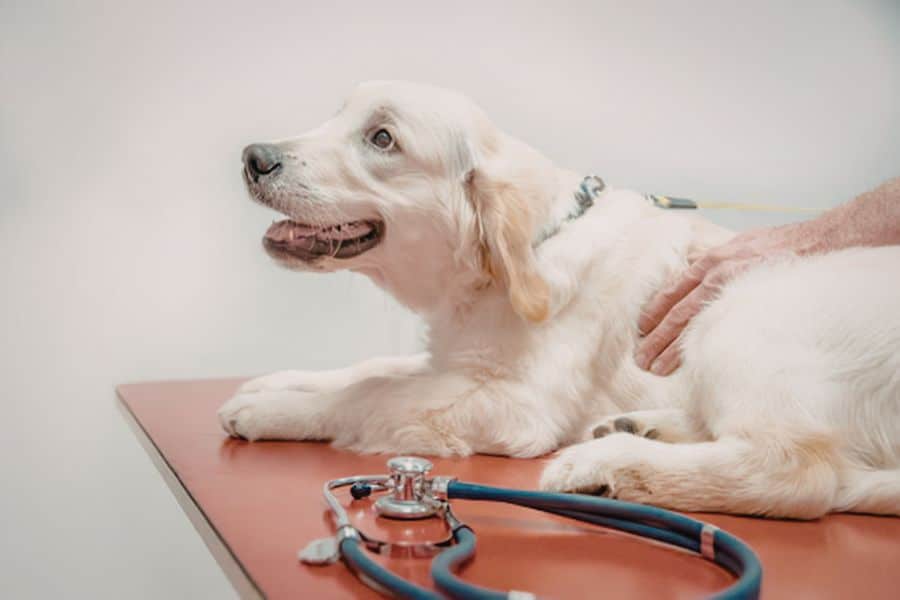
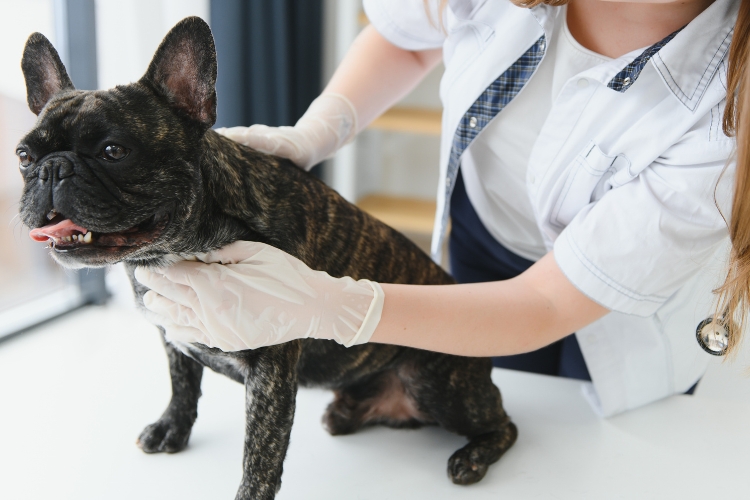
During a wellness exam, a veterinarian evaluates weight, coat condition, dental health, heart function, and mobility. These visits create a health baseline, making it easier to recognize even minor changes during future appointments. Subtle signs such as slight weight loss, changes in posture, or mild gum inflammation can signal underlying concerns that benefit from early attention.
Pets age faster than humans, which means health changes can occur in shorter time frames. Annual or semi-annual visits provide consistent monitoring and allow for timely adjustments to care routines.
What To Expect During Visits
- Thorough physical assessment: A full body check helps identify visible and hidden concerns early.
- Health history updates: Tracking behavior, appetite, and activity helps ensure an accurate evaluation.
- Preventive recommendations: Guidance may include diet changes, screenings, or lifestyle adjustments.
Routine visits support early disease detection while strengthening long-term health management. They also help pet owners stay informed about what is normal and what may require attention.
2. Diagnostic Screening for Hidden Conditions
Diagnostic testing plays a critical role in uncovering conditions that may not show visible symptoms. Blood tests, urinalysis, and imaging tools can reveal internal changes long before a pet appears unwell.
Screenings are especially valuable for identifying concerns such as kidney disease, liver imbalance, thyroid irregularities, and early metabolic conditions. Detecting these issues early allows for timely adjustments in care that can slow progression and improve outcomes.
As pets grow older, the likelihood of silent conditions increases. Regular diagnostic care provides insight into internal health and helps guide preventive strategies.
Common Screening Benefits
- Early identification: Detects abnormalities before symptoms appear.
- Better treatment planning: Supports more accurate care decisions.
- Ongoing monitoring: Tracks changes over time for consistent management.
Incorporating diagnostic testing into a preventive care routine strengthens the ability to manage health proactively. It provides clarity and reassurance while reducing the risk of unexpected complications.
3. Vaccination Plans That Support Disease Prevention
Vaccinations remain a cornerstone of preventive care, protecting pets from serious and potentially life-threatening diseases. A well-structured vaccination schedule helps build immunity while reducing exposure risks in everyday environments.
Each pet has unique needs based on age, lifestyle, and health status. Tailored vaccination plans ensure appropriate protection without unnecessary interventions. Keeping vaccinations up to date helps prevent outbreaks and supports community health among pets.
Understanding Vaccination Timing
Puppies and kittens require a series of initial vaccinations, followed by boosters throughout life. Adult pets benefit from scheduled updates to maintain immunity.
Key Advantages of Vaccination
- Protection against common diseases: Shields pets from infections that can spread quickly.
- Reduced transmission risk: Helps limit the spread of illness in shared spaces.
- Long-term health stability: Supports a stronger immune response over time.
Vaccination planning is not just about compliance. It is a proactive step toward safeguarding overall health and preventing avoidable illness.
4. Parasite Prevention That Reduces Health Risks
Parasites such as fleas, ticks, and intestinal worms can cause discomfort and lead to more serious health concerns if left untreated. Preventive measures help minimize exposure and protect pets from complications linked to infestations.
Parasite prevention involves a combination of topical treatments, oral medications, and environmental management. These approaches work together to create a protective barrier against common threats.
Risks Associated With Parasites
Parasites can transmit diseases, cause skin irritation, and impact internal organs. Early prevention reduces these risks significantly.
Effective Prevention Strategies
- Routine treatments: Regular applications or medications help maintain protection.
- Environmental control: Keeping living areas clean reduces exposure.
- Regular checks: Monitoring for signs of infestation ensures early response.
Consistent parasite prevention supports comfort and overall wellness while reducing the likelihood of secondary health issues.
5. Nutrition Management That Supports Long-Term Health
Balanced nutrition is a fundamental part of preventive care. A well-structured diet supports immune function, maintains a healthy weight, and reduces the risk of chronic conditions.
Nutritional needs vary based on age, breed, and activity level. Feeding the right type and amount of food helps prevent obesity and supports organ health. Monitoring dietary habits also allows for early adjustments if weight or energy levels change.
Building A Healthy Diet Plan
Pet owners should focus on high-quality food that meets nutritional requirements. Portion control and consistent feeding schedules play a key role in maintaining balance.
Benefits Of Proper Nutrition
- Weight management: Helps prevent obesity related conditions.
- Improved energy levels: Supports daily activity and vitality.
- Stronger immune system: Enhances resistance to illness.
Nutrition is not static. It evolves with a pet’s needs, making regular evaluation an important part of preventive care.
6. Dental Care That Prevents Hidden Complications
Oral health is often overlooked, yet it plays a significant role in overall wellness. Dental issues can lead to pain, infection, and complications that affect other parts of the body.
Routine dental care includes brushing, professional cleanings, and regular oral examinations. These practices help prevent plaque buildup and reduce the risk of periodontal disease.
Essential Dental Care Steps
Bacteria from untreated dental conditions can enter the bloodstream and impact organs such as the heart and kidneys. Early care helps avoid these complications.
- Regular brushing helps maintain oral hygiene and reduce plaque.
- Professional cleanings: Remove buildup that cannot be addressed at home.
- Routine oral exams: Identify early signs of dental concerns.
Maintaining dental health supports comfort, improves appetite, and contributes to overall well-being.
7. Behavioral Monitoring and Lifestyle Adjustments
Behavioral changes often serve as early indicators of health concerns. Shifts in appetite, energy levels, or social interaction can signal underlying issues that may not be immediately visible.
Monitoring daily habits helps pet owners recognize patterns and identify when something feels different. Lifestyle adjustments, including exercise and mental stimulation, also play a role in maintaining health.
Recognizing Important Changes
Even subtle differences in behavior can provide valuable insight into a pet’s condition. Early recognition allows for timely evaluation and care.
- Regular exercise: Promotes physical and mental well-being.
- Mental enrichment: Keeps pets engaged and reduces stress.
- Consistent routines: Provide stability and support overall health.
Behavioral awareness strengthens preventive care by connecting physical health with daily habits and the environment.
Staying Ahead of Health Changes
Preventive care is about building a foundation that supports early detection and reduces risk over time. By focusing on routine exams, diagnostic testing, vaccination planning, parasite prevention, nutrition, dental care, and behavior monitoring, pet owners can take a proactive approach to long-term wellness. Small, consistent steps can make a meaningful difference in overall health outcomes.
If you’re in Parker and want to take the next step in preventive care for your pet’s health, book an appointment with Parker Center Animal Clinic. Our team is here to provide thoughtful guidance, personalized care plans, and ongoing support to help your pet stay healthy, active, and thriving.
FAQs
Q1. What is preventive care for pets?
Ans. Preventive care focuses on routine monitoring, vaccinations, nutrition, and early detection strategies to reduce disease risk and support long-term health and overall well-being.
Q2. How often should pets have wellness exams?
Ans. Most pets benefit from annual exams, while senior pets may require more frequent visits to monitor age-related changes and detect potential health concerns early.
Q3. Why is early detection important in pet health?
Ans. Early detection allows for timely intervention, which can slow disease progression, improve treatment outcomes, and reduce the likelihood of complications affecting overall health.
Q4. What role does diet play in preventive care?
Ans. Proper nutrition supports immune function, maintains a healthy weight, and reduces the risk of chronic conditions, making it a key component of long-term preventive health strategies.
Q5. Can behavior changes indicate health issues?
Ans. Yes, changes in behavior, such as reduced activity, shifts in appetite, or unusual habits, can signal underlying health concerns and should be evaluated to ensure early detection and appropriate care.