New Clients Can Receive $25 off Your Pet’s First Exam!

A little plaque on your dog’s teeth or slightly unpleasant breath might not seem like a major concern. However, dental disease often develops gradually. What begins as a thin layer of bacteria can eventually lead to gum inflammation, damage to the tissues supporting the teeth, and even tooth loss.
For pet owners in Parker, CO, understanding how this process unfolds can make it easier to recognize dental concerns and seek care before they become more advanced. Dogs and cats may continue eating and playing even when their mouths are uncomfortable, so visible changes are not always obvious.
Consistent pet dental care involves more than addressing bad breath or brushing your pet’s teeth. It also means understanding the stages of dental disease, recognizing early warning signs, and knowing when professional treatment may be needed.
How Does Dental Disease Develop in Dogs and Cats?
Dental disease usually begins when plaque, a sticky film containing bacteria, accumulates on the teeth. If plaque is not regularly removed, it can harden into tartar and contribute to gum inflammation. Over time, bacteria beneath the gumline can damage the tissues and structures that hold teeth in place.
This progression is commonly associated with periodontal disease, one of the most frequent dental problems in dogs and cats.
The Four Stages of Dental Disease
Stage 1: Plaque Begins to Accumulate
Plaque forms naturally on your pet’s teeth throughout the day. It contains bacteria, saliva, and food particles that collect along the tooth surfaces and near the gumline.
At this stage, there may be few noticeable signs. Regular brushing can help remove plaque before it hardens, making home dental care especially valuable.
Stage 2: Tartar Builds Up and Gums Become Irritated
When plaque remains on the teeth, minerals in saliva can cause it to harden into tartar. Tartar often appears as yellow or brown deposits, particularly near the gumline.
As bacteria accumulate around the gums, inflammation may develop. You might notice redness, swelling, or bleeding. Persistent bad breath can also become more noticeable.
Professional cleaning may be recommended to remove hardened deposits that brushing cannot eliminate.
Stage 3: Gingivitis Develops
Gingivitis is inflammation of the gums caused by plaque and bacterial buildup. Common signs include red or swollen gums, bleeding, and unpleasant breath.
The encouraging part is that gingivitis can often be reversed with appropriate professional dental cleaning and consistent home care. However, ignoring these signs may allow the condition to progress.
Stage 4: Periodontal Disease Damages Supporting Tissues
If inflammation and bacterial infection continue beneath the gumline, periodontal disease can develop. The infection may damage the ligaments and bone that support the teeth.
Pets with advanced periodontal disease may experience loose teeth, gum recession, discomfort while chewing, or tooth loss. Some damage to the supporting structures is irreversible, so treatment focuses on controlling disease and protecting the remaining oral health.
Why Can Advanced Dental Disease Affect More Than the Mouth?
Advanced dental disease can cause ongoing oral pain and infection. Bacteria associated with periodontal disease may also enter the bloodstream, potentially affecting other parts of the body. The extent of these effects varies between pets, but oral health is an important part of overall wellness.
Pets may also change their daily habits to cope with discomfort. A dog might avoid hard treats, while a cat may eat more slowly or stop grooming as usual. These behavioral changes deserve attention, even if your pet still has an appetite.
How Can You Slow the Progression of Dental Disease?
Consistent home care and professional veterinary attention can help control plaque and reduce the risk of more advanced dental problems.
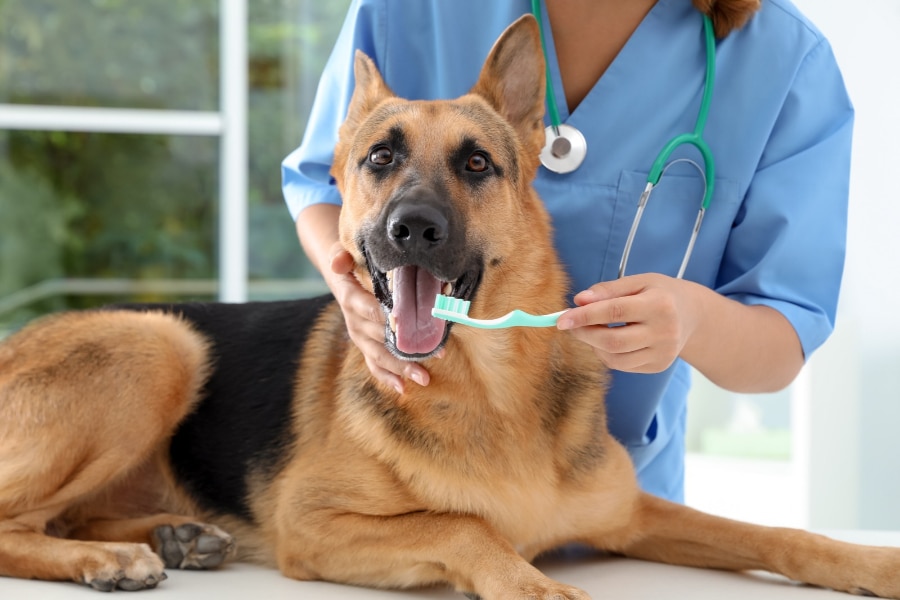
- Brush your pet’s teeth: Use a soft pet toothbrush and veterinary-approved toothpaste. Never use human toothpaste.
- Choose appropriate dental products: Ask your veterinarian about dental diets, chews, or other products suitable for your pet.
- Monitor the mouth: Watch for tartar, gum redness, bleeding, bad breath, and changes in eating habits.
- Schedule dental examinations: Routine veterinary visits help identify concerns that may not be visible at home.
- Follow treatment recommendations: Professional cleanings and other dental procedures may be needed depending on the condition of your pet’s teeth and gums.
Professional dental cleanings at Parker Center Animal Clinic include oral examinations and cleaning above and below the gumline. Dental X-rays may also help identify problems that cannot be seen during a visual examination.
When Should You Contact a Veterinarian?
Contact your veterinarian if your pet has persistent bad breath, red or bleeding gums, visible tartar, excessive drooling, difficulty chewing, or loose teeth. A broken tooth, facial swelling, or signs of significant pain should be evaluated promptly.
Do not wait for your pet to stop eating before seeking advice. Dogs and cats can continue eating despite dental discomfort, and some problems develop beneath the gumline without obvious external signs.
A veterinary examination can help determine the stage of dental disease and whether professional cleaning, oral surgery, or another treatment is appropriate.
Dental disease generally develops over time, progressing from plaque buildup to gum inflammation and potentially serious damage to the tissues supporting the teeth. Recognizing these stages can help you take action before oral health problems become more difficult to manage.
Parker Center Animal Clinic offers professional dental cleanings, oral examinations, and treatment options for pets with dental disease. If you have noticed changes in your companion’s breath, gums, or eating habits, schedule an appointment to discuss their dental health and appropriate next steps.
Frequently Asked Questions
Q1. How long does it take for dental disease to develop in dogs and cats?
Ans: The progression varies depending on factors such as age, genetics, oral health, and home care. Plaque can accumulate quickly, while tartar buildup and periodontal damage may develop over a longer period. Regular examinations help identify changes early.
Q2. Can early-stage dental disease be reversed in pets?
Ans: Gingivitis, the early stage of gum inflammation, can often be reversed with professional cleaning and consistent home care. However, damage caused by advanced periodontal disease, such as bone loss, generally cannot be reversed.
Q3. Can brushing my pet’s teeth remove existing tartar?
Ans: Brushing helps remove soft plaque and slow future buildup, but it cannot effectively remove hardened tartar. A professional dental cleaning is usually needed to remove deposits from the teeth and beneath the gumline.
Q4. What dental services does Parker Center Animal Clinic provide?
Ans: Parker Center Animal Clinic offers professional dental cleanings, comprehensive oral examinations, and oral surgery when needed. Treatment recommendations depend on your pet’s dental condition and examination findings.
Q5. Does Parker Center Animal Clinic use dental X-rays during pet dental procedures?
Ans: Yes. Full-mouth dental radiographs are included in the clinic’s oral surgery procedures. X-rays help the veterinary team evaluate tooth roots and structures beneath the gumline that cannot be assessed through a visual examination alone.
Q6. How does Parker Center Animal Clinic help pets with advanced periodontal disease?
Ans: The clinic offers oral surgery procedures for different levels of periodontal disease. Depending on the findings, treatment may include extractions or other appropriate dental procedures, along with pain management and follow-up home-care guidance.